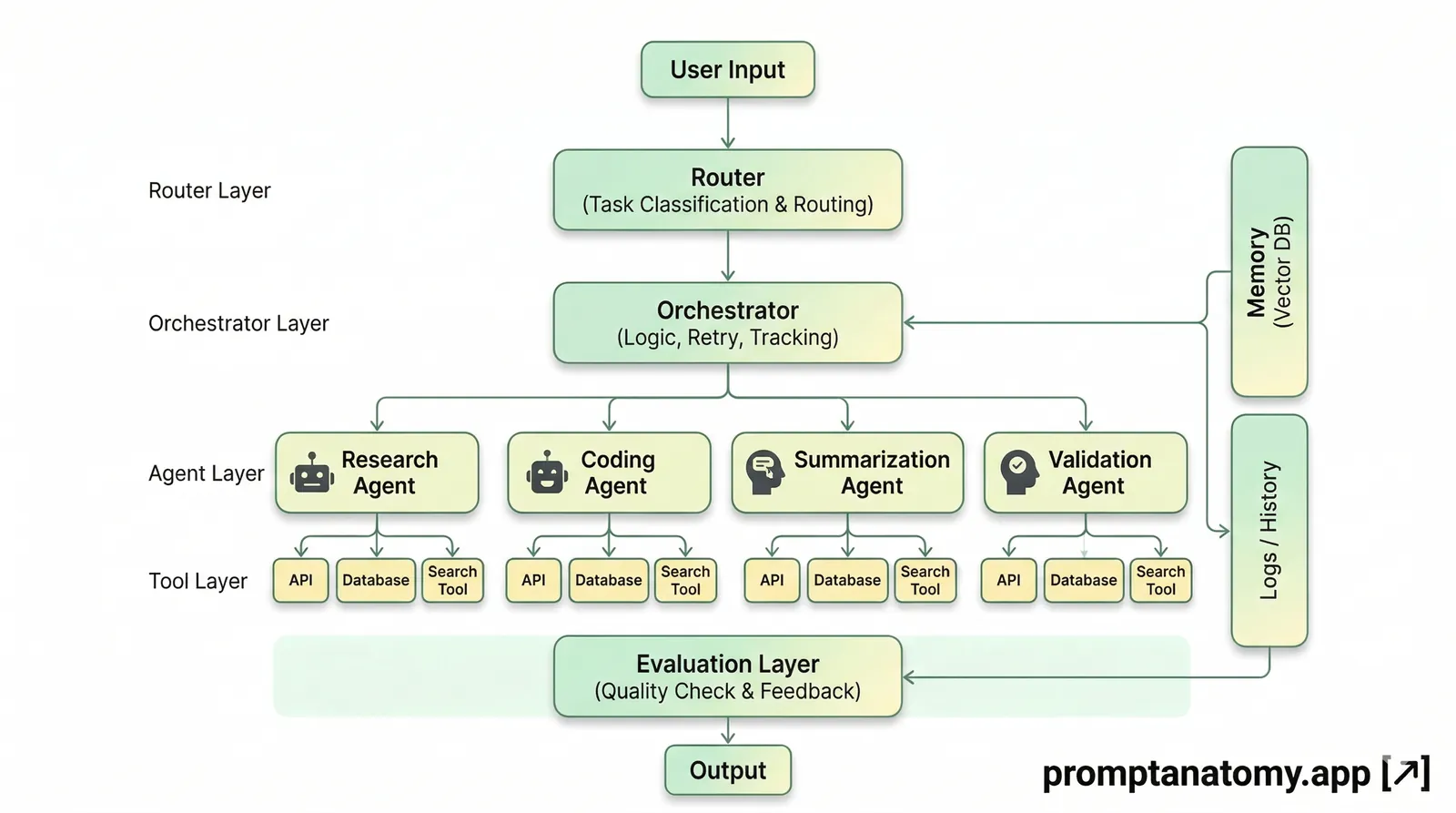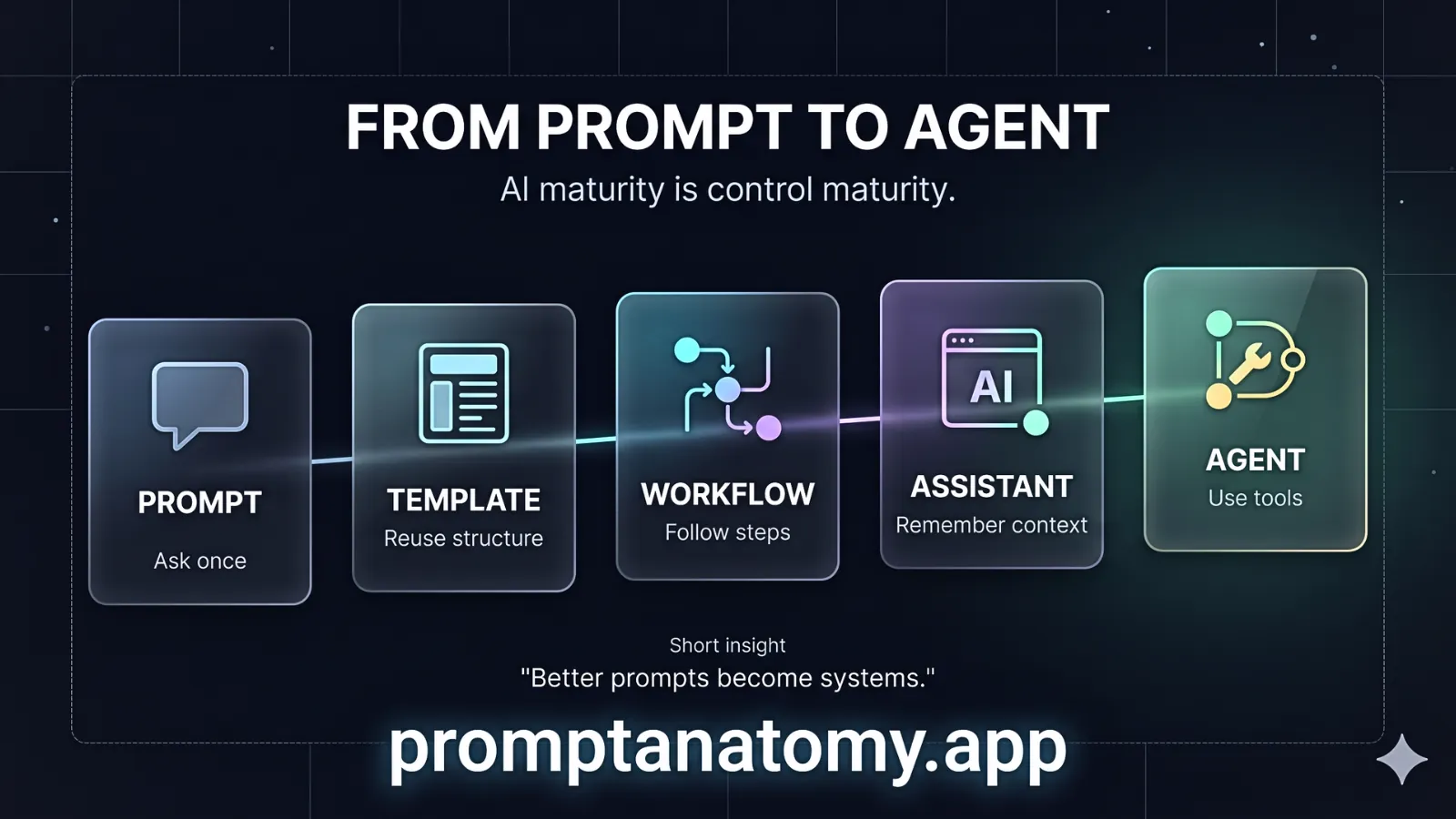
Promote to agents only after templates, workflow, and eval exist. AI maturity is control maturity—not feature access. The path is Prompt → Template → Workflow → Assistant → Agent. Vendors label everything “agent”; skipping stages shows up as autonomy without accountability.
| Stage | What you gain | Promote when |
|---|---|---|
| Prompt | Exploration | Never as production strategy |
| Template | Repeatable structure | Registry ID + owner |
| Workflow | Named steps + gates | Canvas lists triggers, data, send gates |
| Assistant | Session/profile memory | TTL + no cross-customer blend |
| Agent | Tool use under allow lists | Eval stable + audit fields + human approval on send/spend |
Prompt — ask once
A prompt is a single request: useful for exploration, harmful as production strategy. Outcomes depend on who wrote the ask, which model answered, and what context happened to be in the chat window that afternoon. There is no eval set, no accountable owner, no replay when Legal asks what was sent to a customer. Northline B2B called this “hero prompting”—impressive demos from power users that could not survive handoff to the next shift. Most organizations remain at this stage while believing they are “implementing AI” because activity metrics count prompts instead of governed workflows.
Template — reuse structure
Templates freeze Role, Context, Output, Criteria (or your registry equivalent) so peers do not reinvent wording every Monday. Templates are still manual triggers—someone must choose when to run them—but they become versionable artifacts with owners and change history. This is the first control upgrade on the ladder: repeatability without autonomy. Northline moved support drafts into registry templates before adding tools; regression tests could target stable structure instead of ad-hoc chat edits. See Structured Prompt System Blueprint for the minimum registry fields.
Workflow — follow steps
Workflow promotion means the model is one step in a named process—not the process itself. Triggers, human gates, approved data sources, failure handling, and escalation paths must exist on paper before anyone adds connectors. Skipping this step is how teams get “agents” that are really templates with API keys. Northline refused tool access for support-reply-v3 until the workflow canvas listed every gate and data boundary; that delay prevented a common pilot pattern where autonomy outran accountability. Use the AI Workflow Canvas (Template) as the minimum artifact before tools multiply.
Assistant — remember context
Assistant promotion adds session or profile memory so the system can carry context across turns without re-pasting background every time. That convenience introduces retention policy, routing rules, and consistency obligations—memory without guardrails creates GDPR debt and contradictory answers across channels. Northline scoped assistant memory to ticket thread context only, with explicit TTL and no cross-customer profile blending, before expanding to renewal workflows. Read Three Types of AI Memory for the primer and memory types for production patterns.
Agent — use tools
Agents call tools under allow lists, rate limits, and logging. Promotion criteria:
- Eval pass rate stable across thirty cases
- Data boundaries enforced in connectors
- Human approval on external send/spend
- Audit fields populated — audit trails
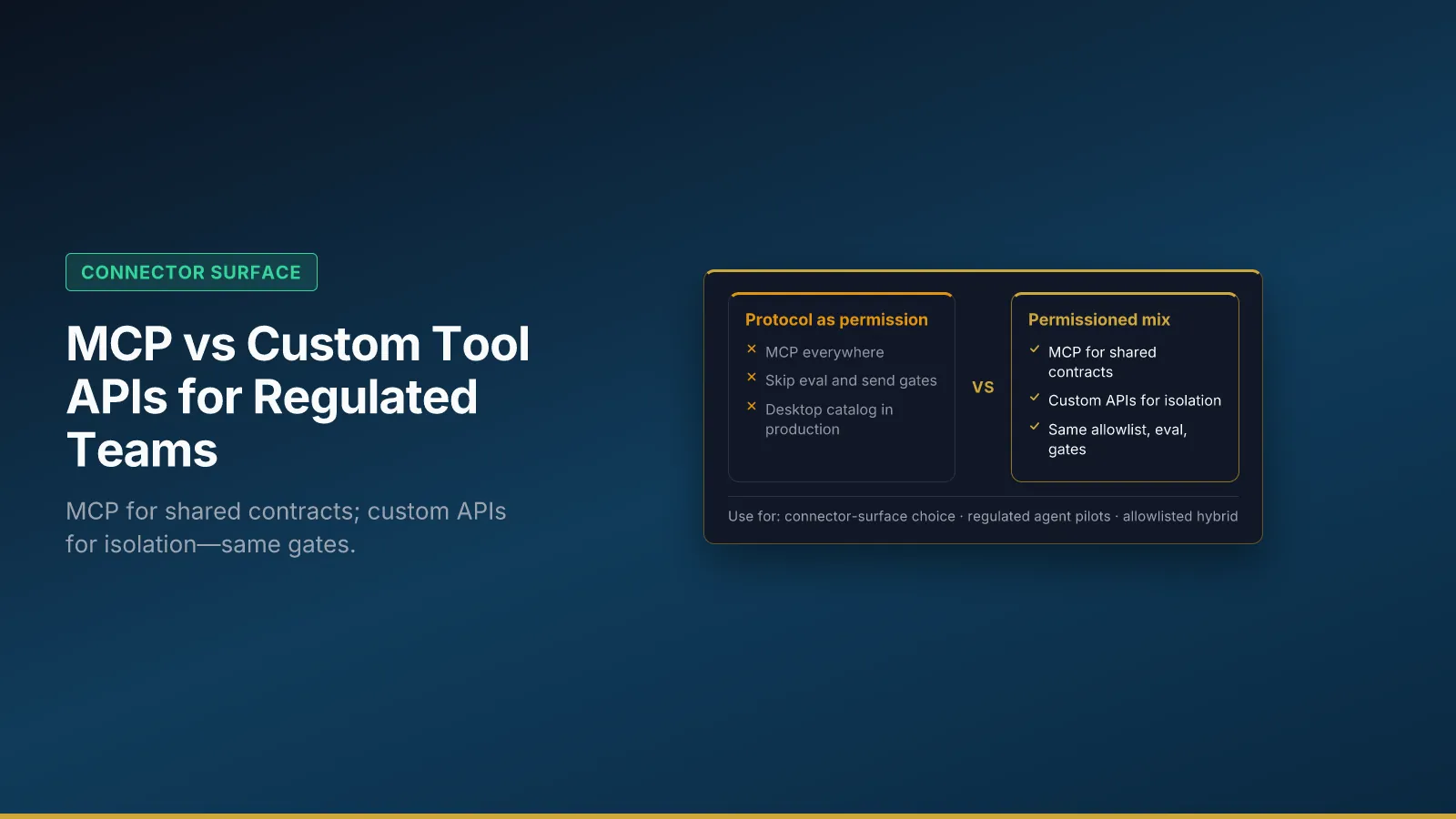
Without those, you have a chatbot with a wrench — not an agent workflow. Design the full path in How to Design an AI Agent Workflow and Multi-Agent Handoff Pattern when multiple specialists are required.
Go deeper
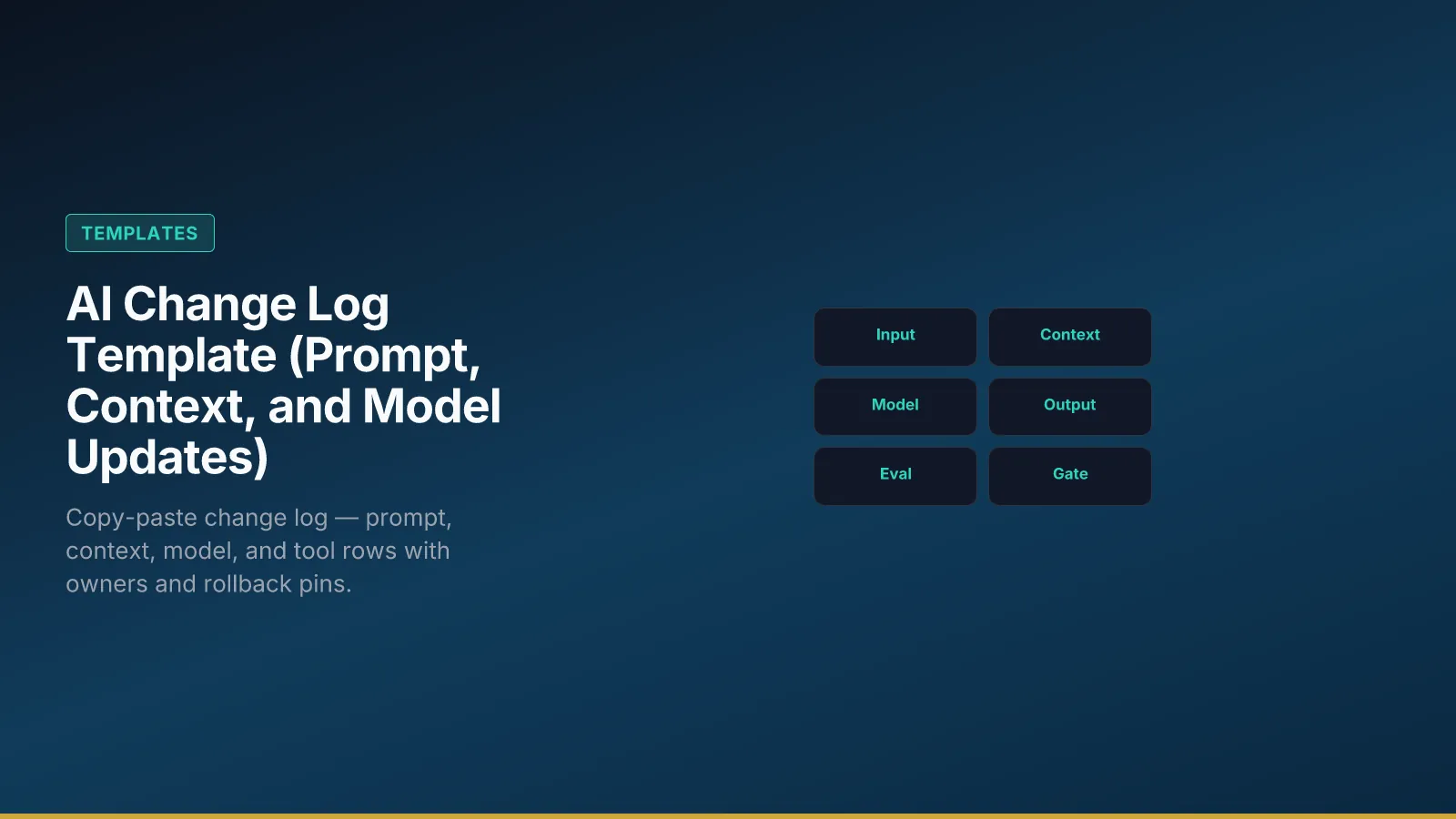
Control maturity is organizational, not individual heroics. Promotion along the ladder should require evidence—eval pass rates, boundary enforcement, audit fields—not executive enthusiasm for autonomy branding. The Model Is Not the System places agents inside governance architecture; AI Governance Roles and Ownership names who may authorize tool use and who blocks unsafe rollout. Northline ties each promotion to a risk-forum vote and a changelog entry so “we shipped an agent” means a bounded workflow, not a feature flag on chat.