The Model Is Not the System
Teams fail when chat is the product. Map the system around the model—workflow, context, evaluation, and governance.
The Model Is Not the SystemPrompts → Workflows → Agents → Business Outcomes
Practical frameworks, templates, and field notes for moving from random prompting to structured AI implementation.
AI Workflow Architecture
Teams fail when chat is the product. Map the system around the model—workflow, context, evaluation, and governance.
The Model Is Not the SystemDefine what models see, when, and why—with a context spec your team can implement.
Context ArchitectureMap a business task to bounded tools, handoffs, and eval gates—with a worked example.
Design an Agent WorkflowRoute to the right framework, diagnostic, or agent guide for your job.
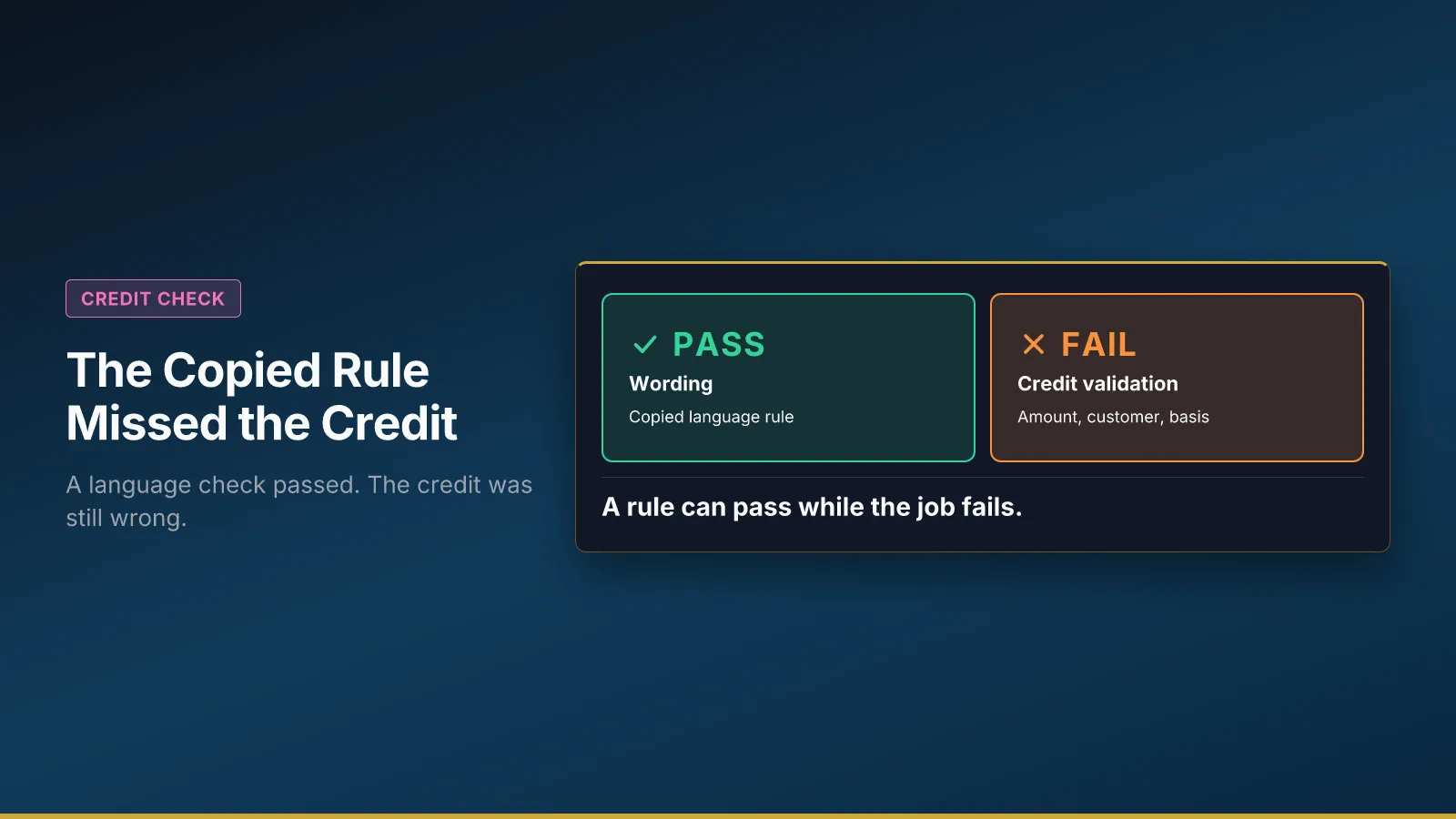
New here? Start by roleAn illustrative test shows how a copied support rule can pass a credit draft with the wrong amount, customer, and basis.
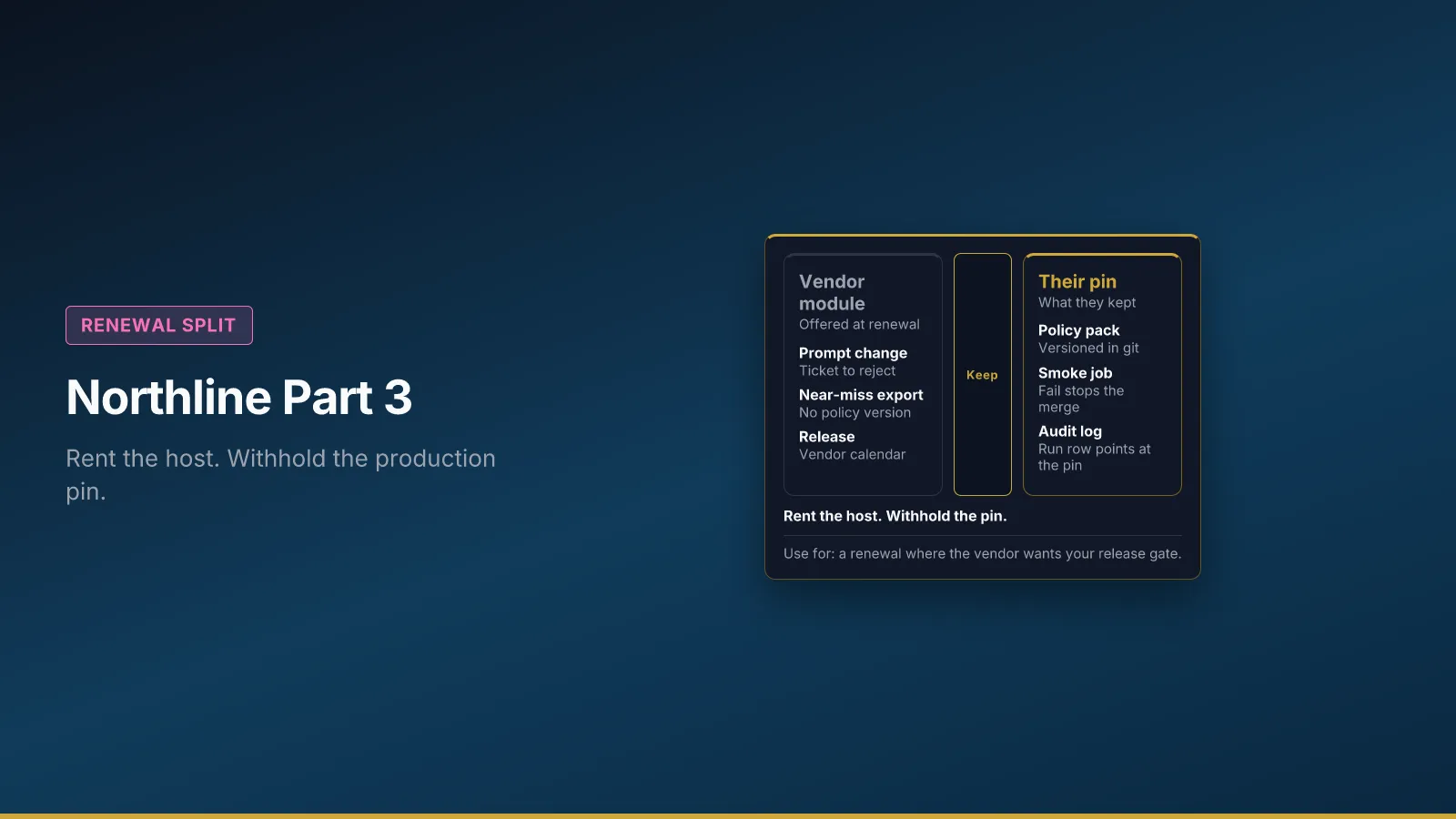
Northline renewed the vendor host and kept the right to withhold the production pin.
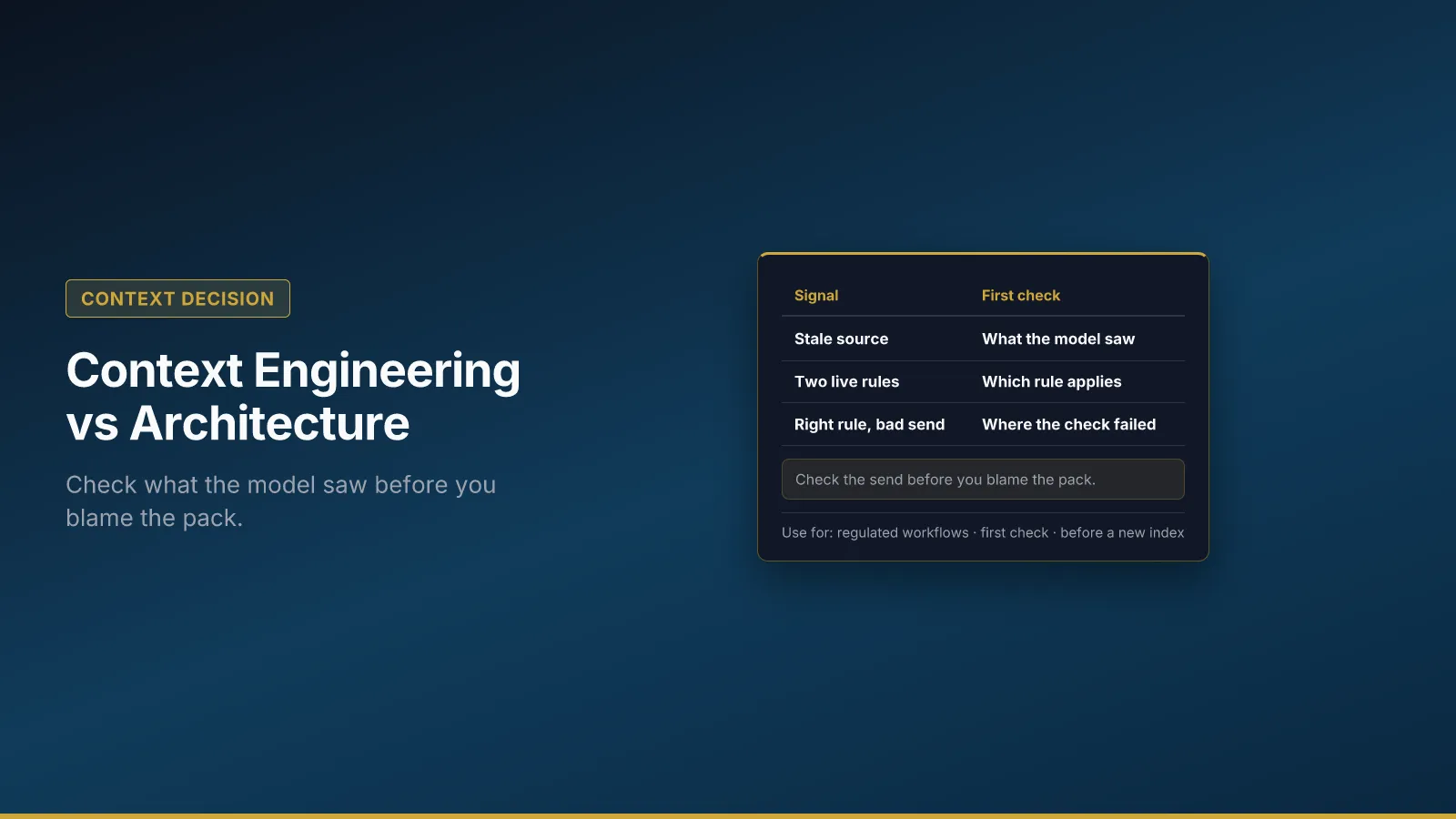
When a source looks wrong, check what the model actually saw. When rules clash or nobody owns them, name the spec before you retune the pack.
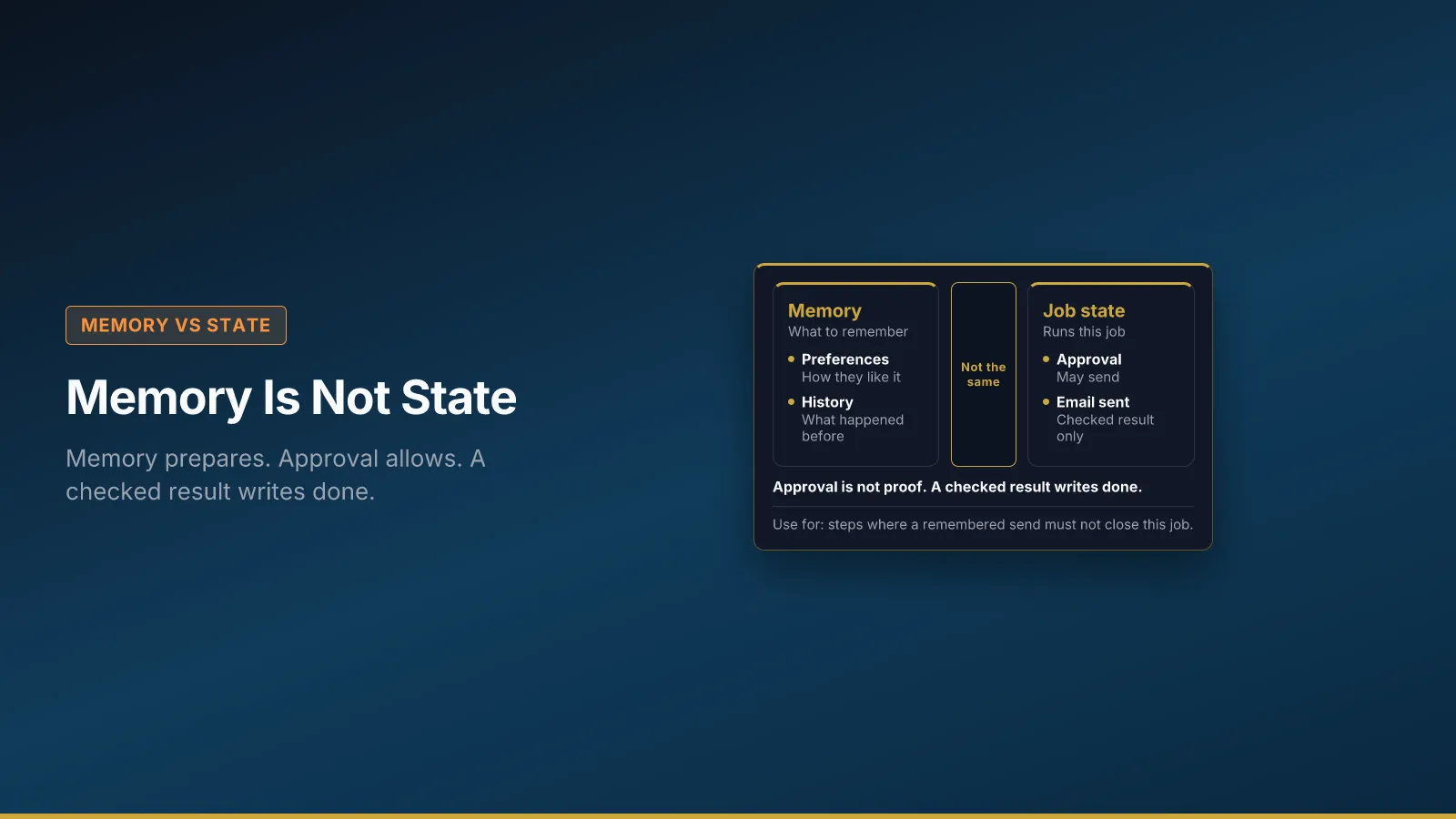
Memory prepares the draft. Approval says whether this send may happen. Only a checked result of this send may be written as done.
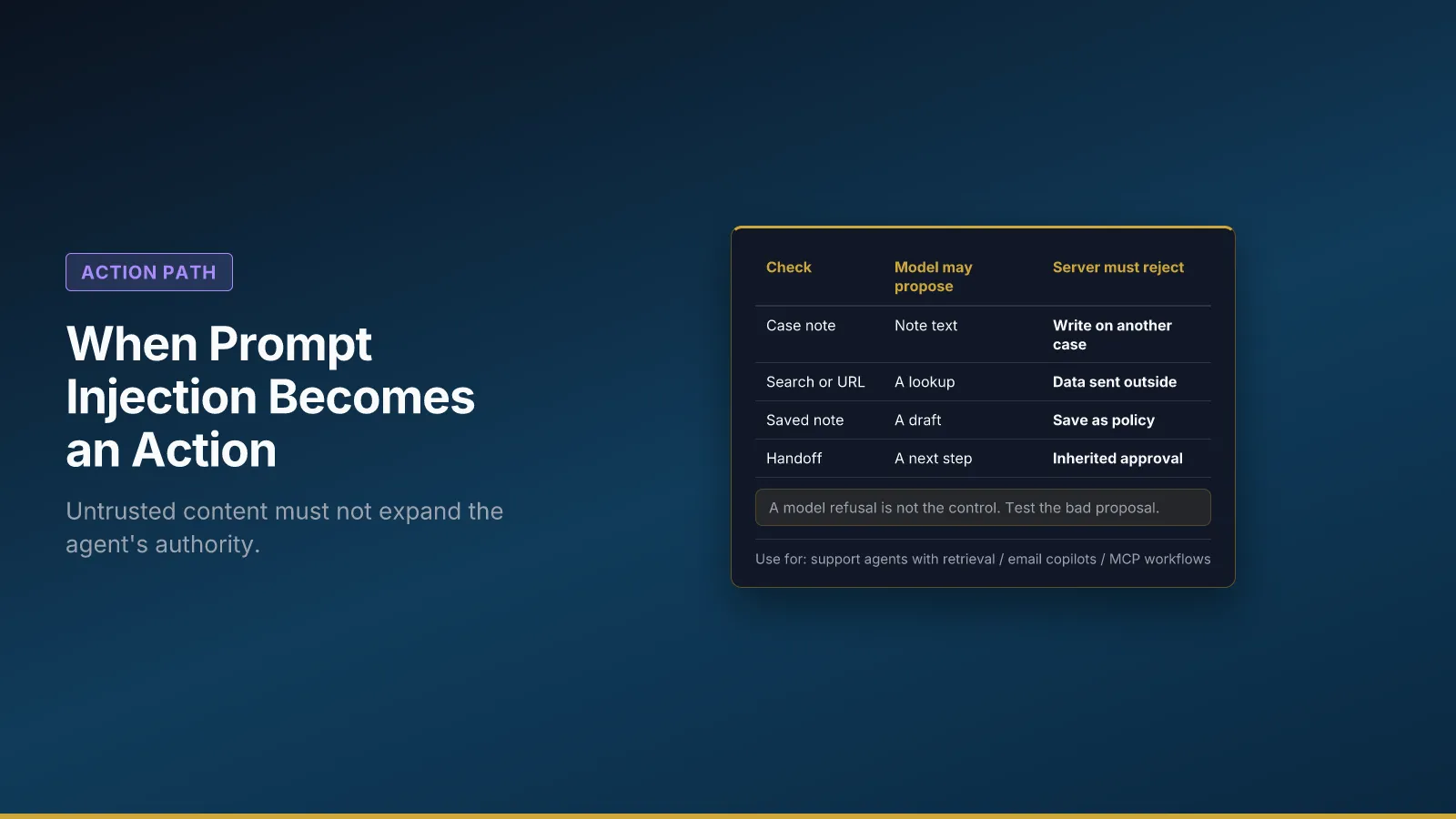
Untrusted content must not expand an agent’s authority. Check the execution layer, not only whether the model refuses.
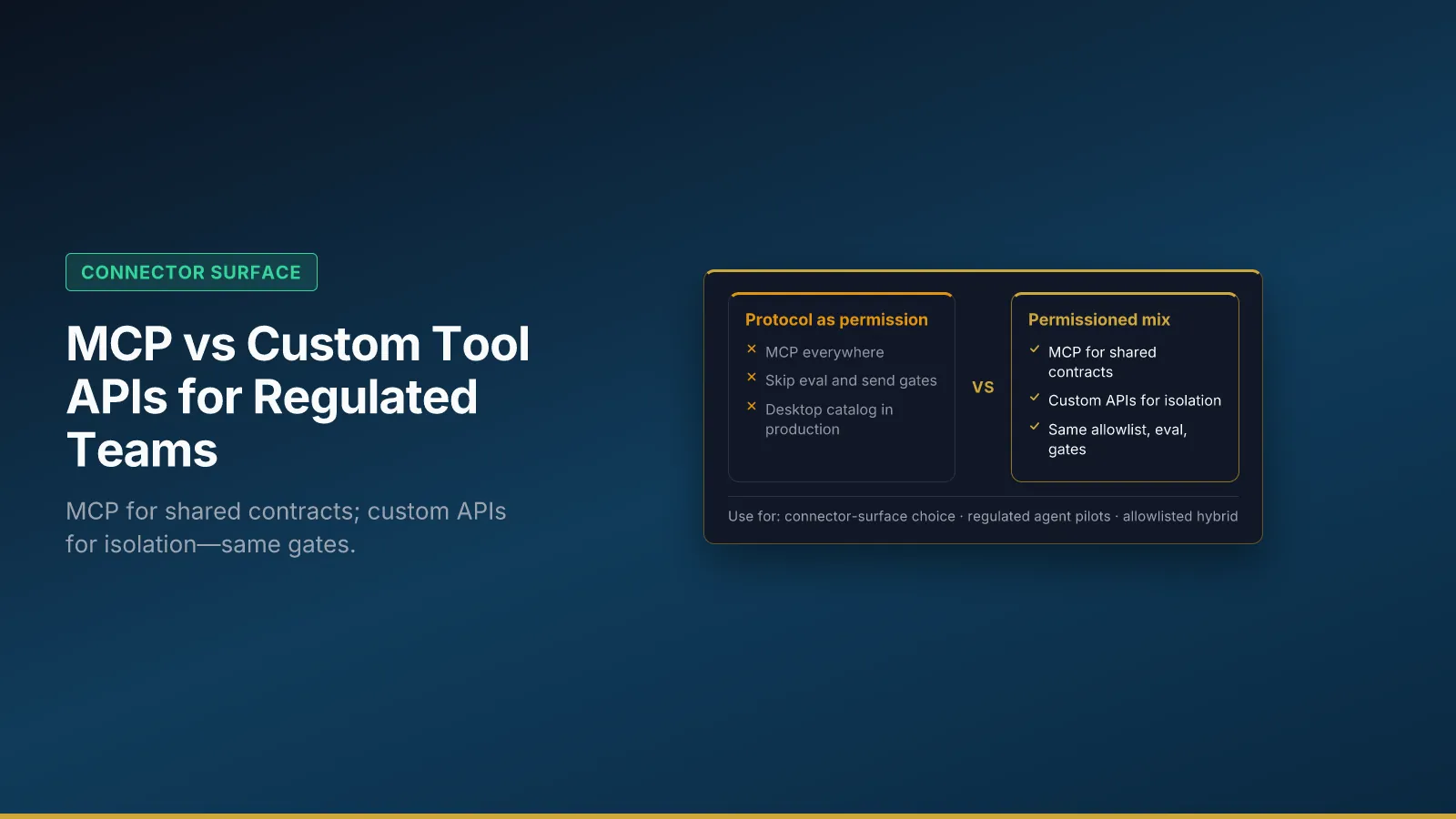
MCP wins for standardized tool contracts under an allowlist; custom APIs win for tenancy, latency, and certified SOA—treat both as permissioned connector surfaces.
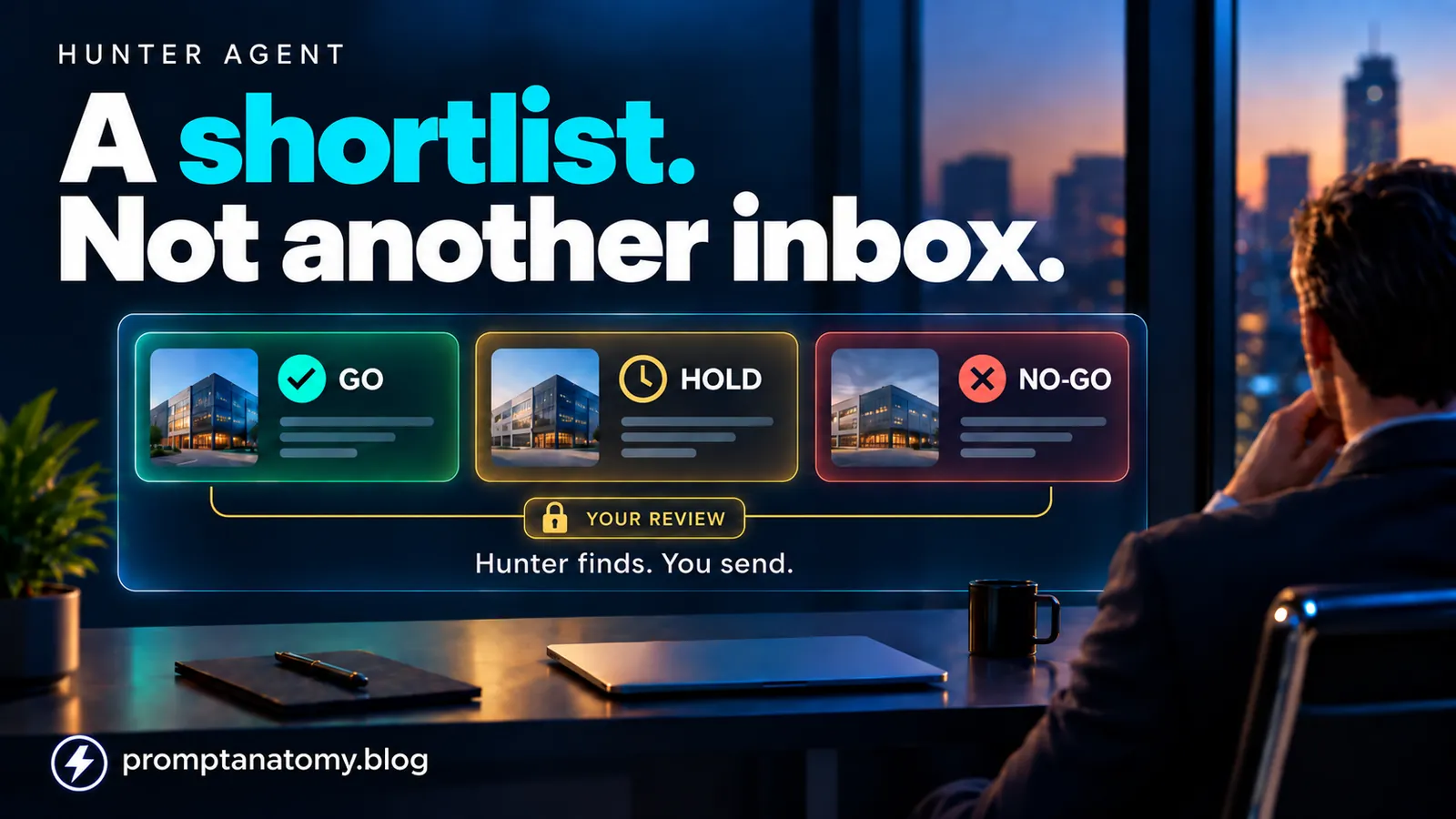
A hunter agent finds, checks evidence, returns ten candidates, and stops. That stop is the product—not a smaller inbox.
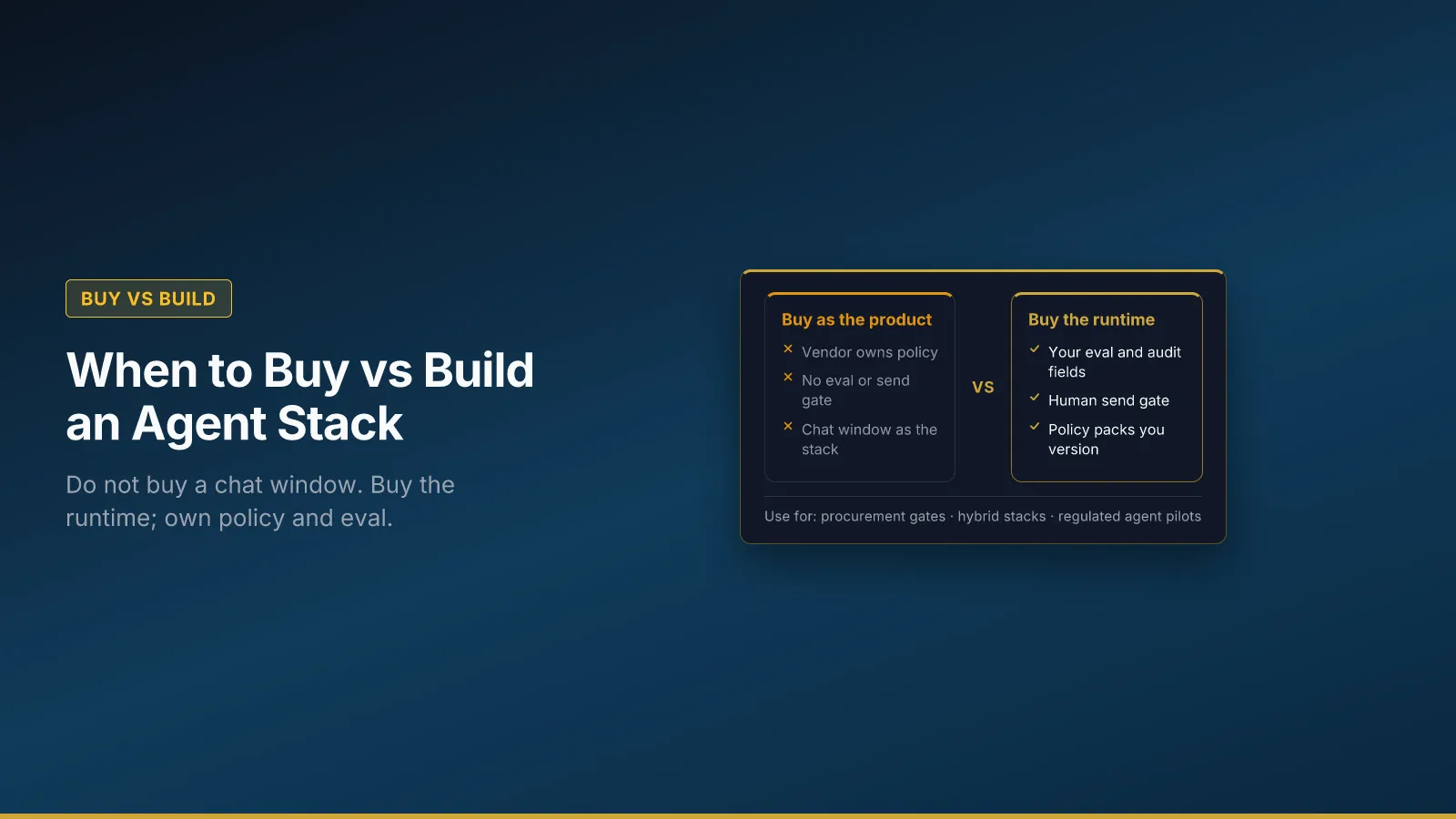
Buy the runtime when connectors exist; own policy packs, eval hooks, and audit fields when those are the differentiator—hybrid is the default for regulated teams.
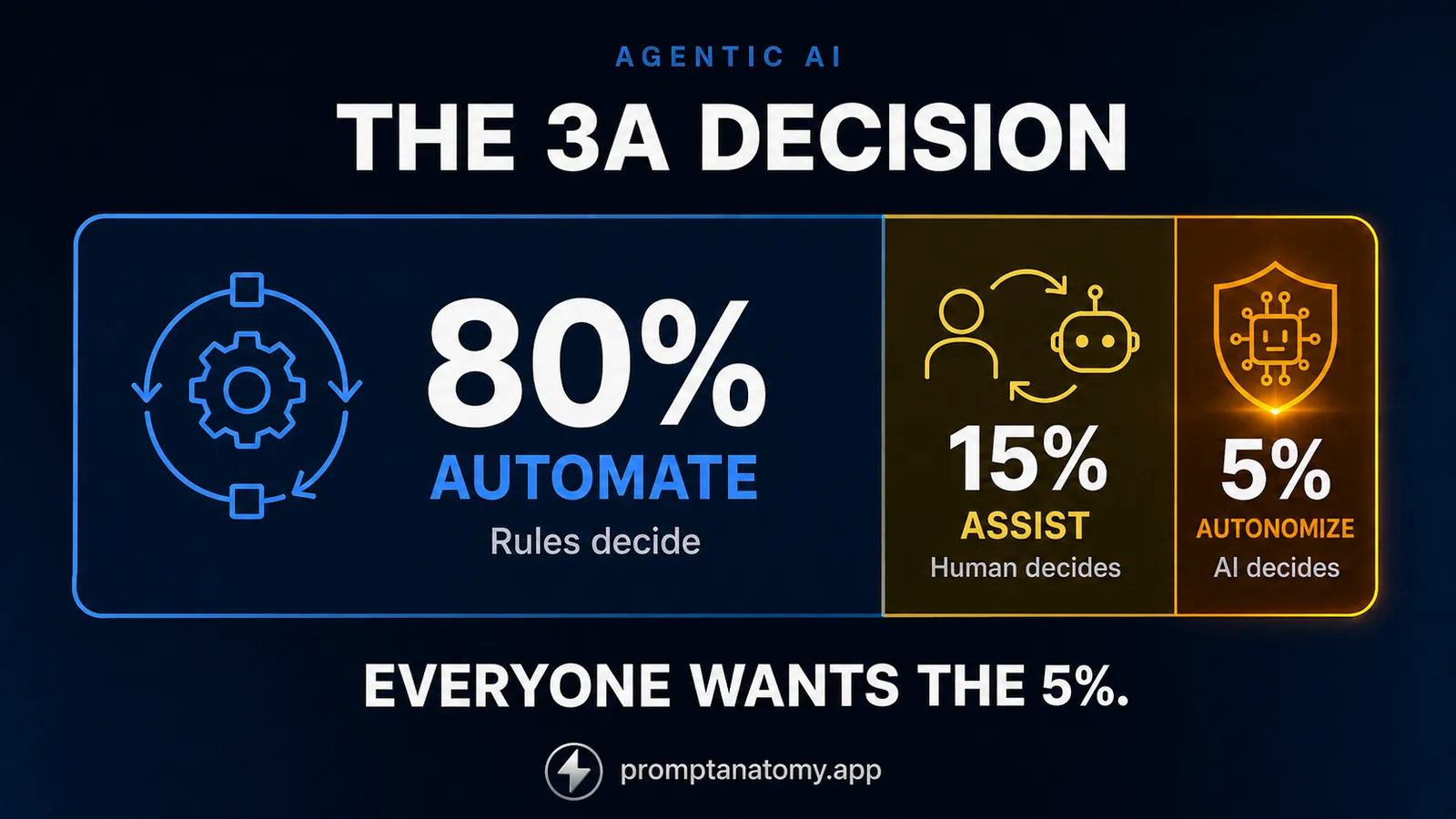
Everyone wants to skip the 80% and start with an autonomous agent. 3A puts Automate and Assist first. promptanatomy.app soft-launches M10-12 as a tester grant for existing M1-6 buyers, not a Stripe plan.
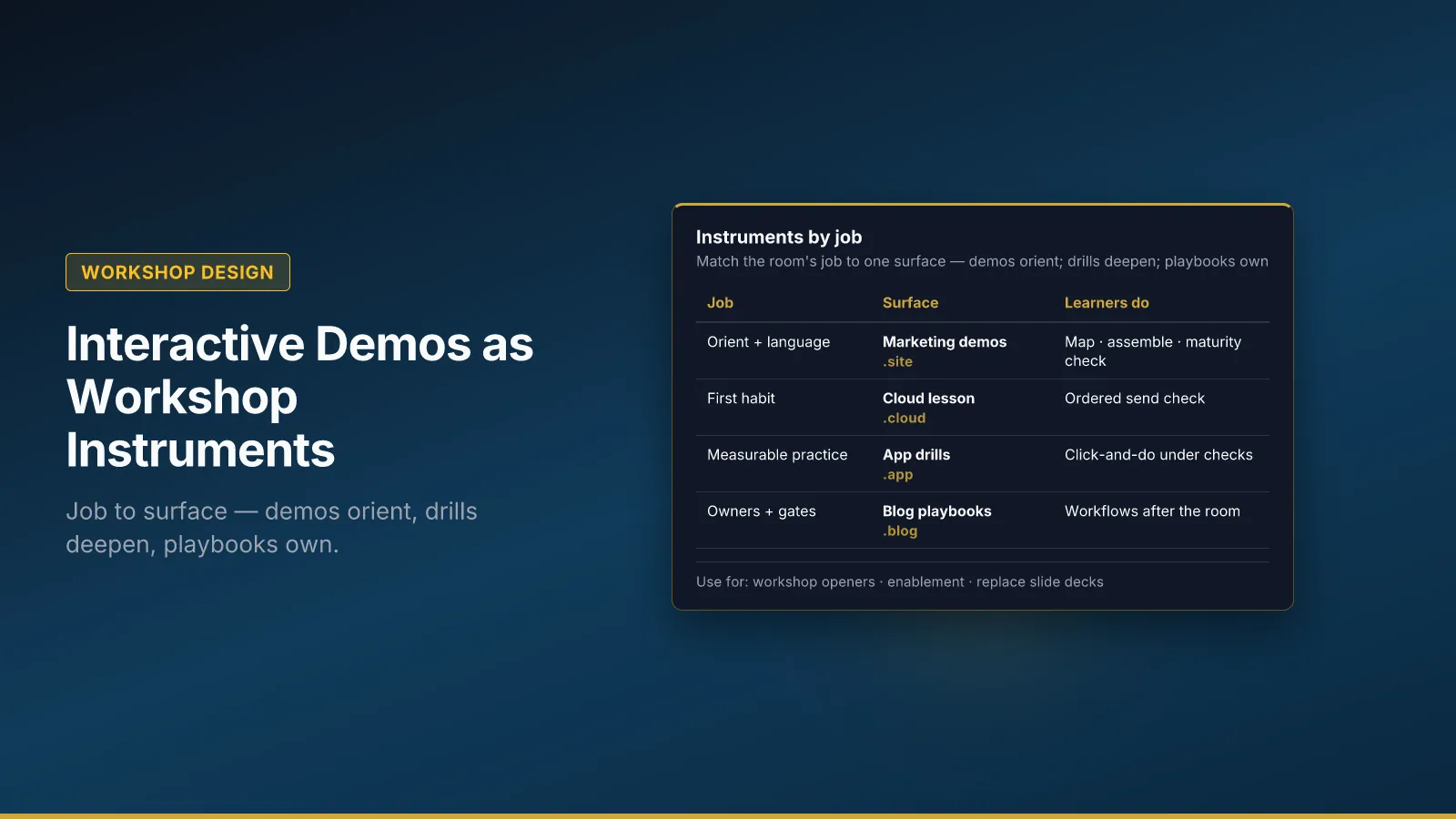
Run a twenty-five-minute map–assemble–diagnose–handoff opener so free demos become instruments before anyone opens a deck.
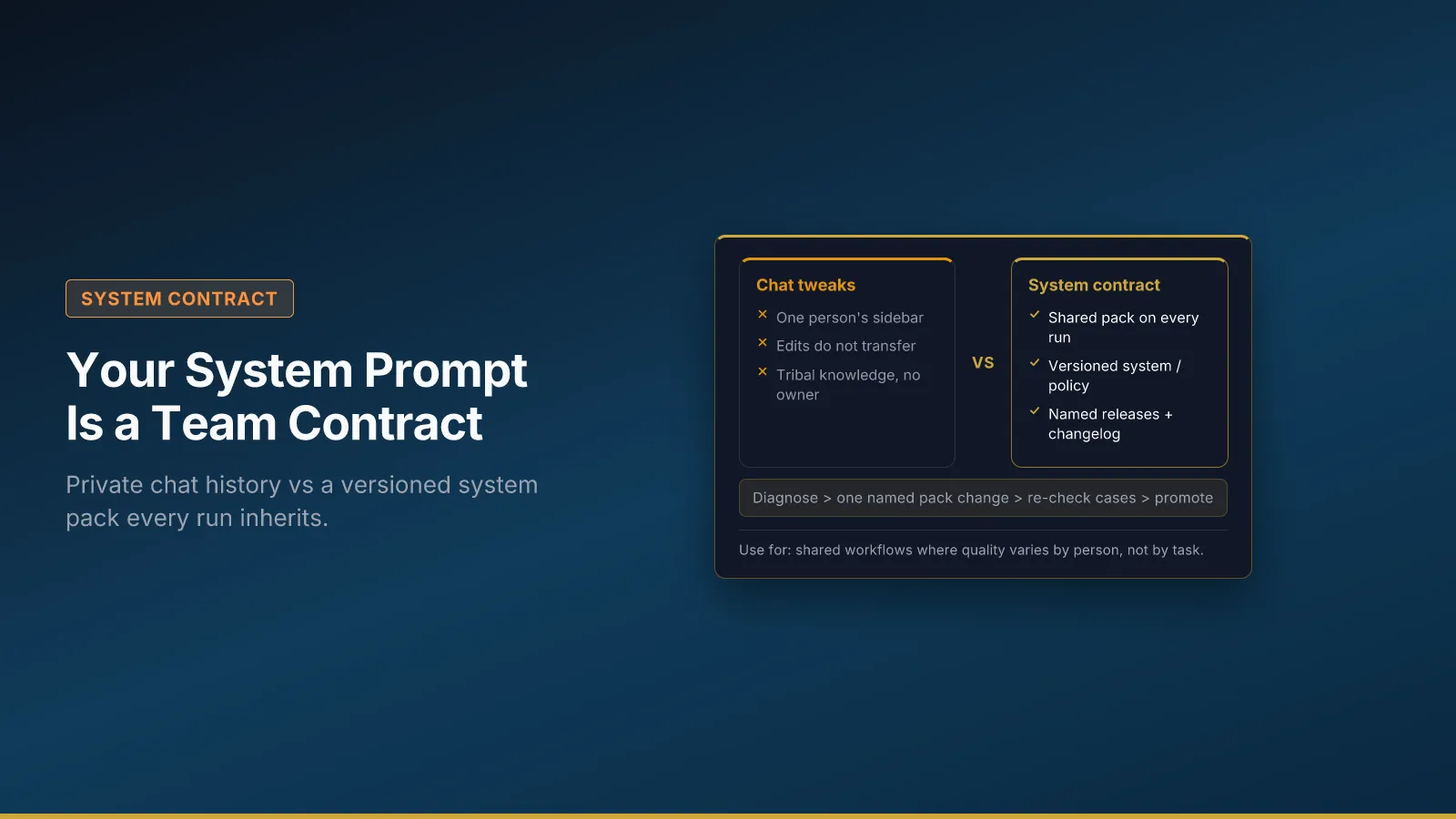
Chat tweaks stay private; a versioned system prompt is shared team rules. Measure length in tokens, not file size—and stop polishing when the base model, not your overlay, still owns the failure.
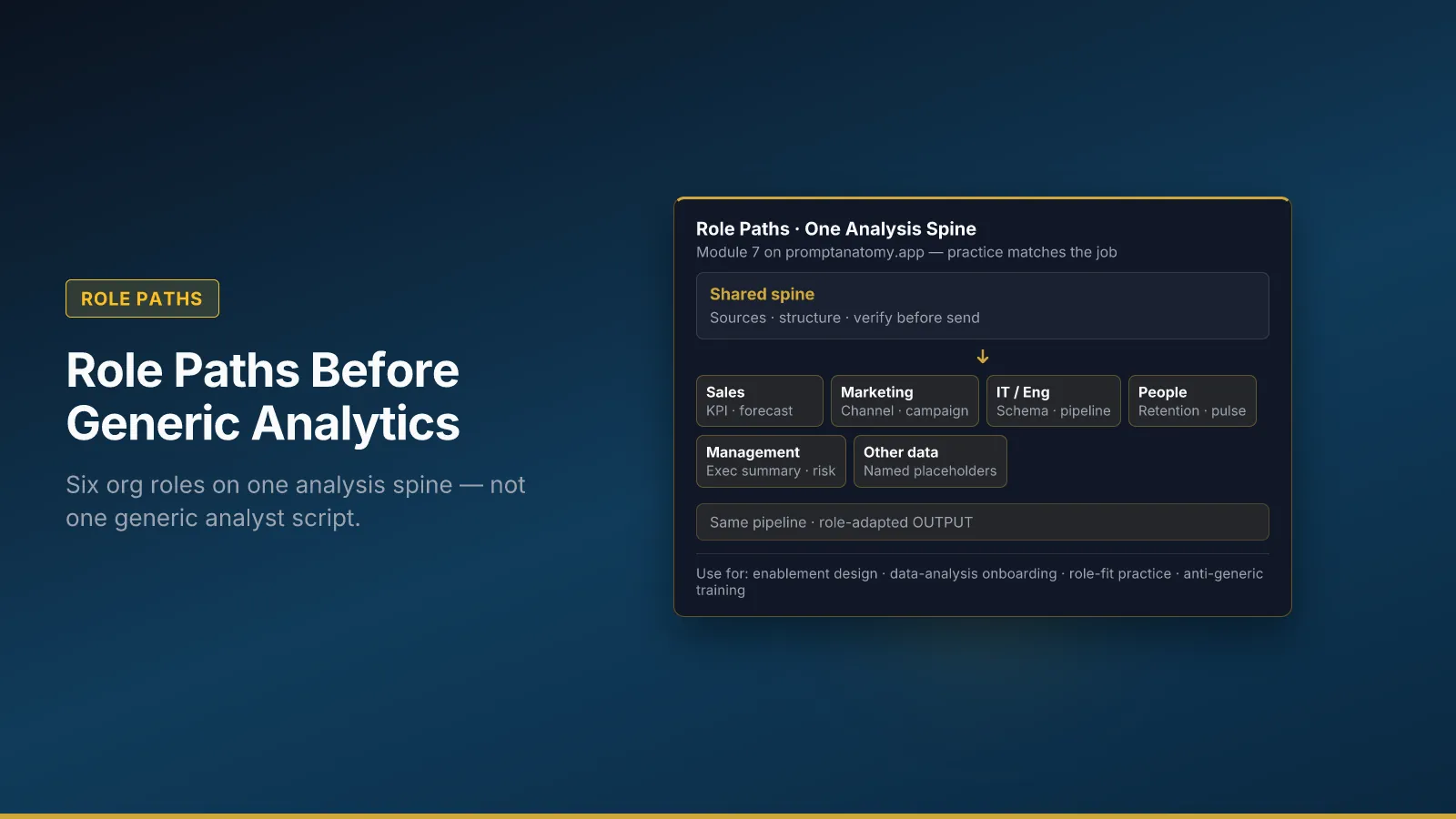
Field note on promptanatomy.app v1.4.7—Module 7 ships six org-role paths so data-analysis practice matches the job, not a generic analyst script.
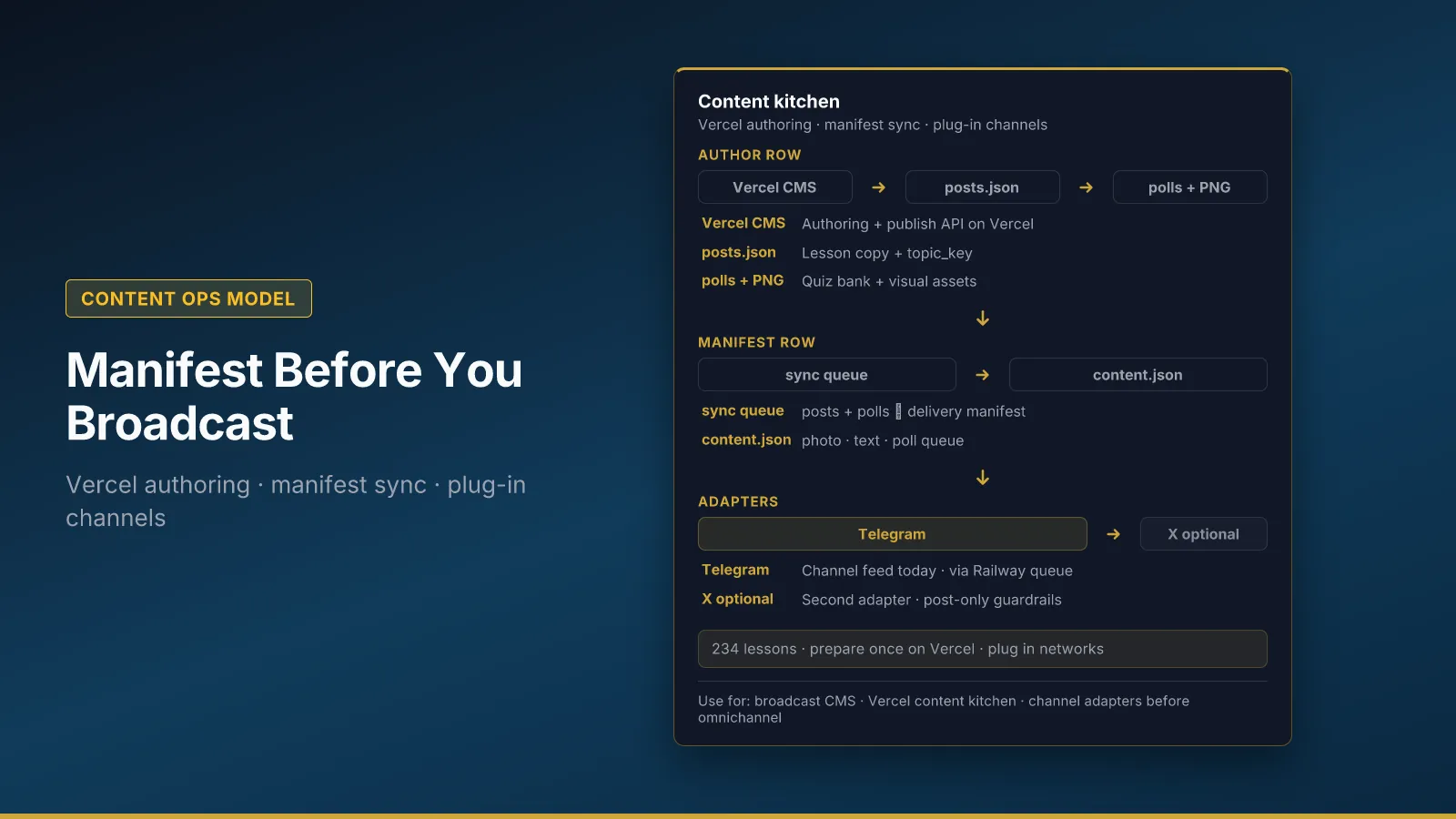
Two hundred thirty-four lessons do not fail because Telegram is hard—they fail when copy, visuals, and quizzes live in three places. Prompt Anatomy ships a manifest-backed broadcast CMS on Vercel; Telegram is today’s adapter, not the product.
Leaders who hold the room converge conflicting inputs into one defensible call—not one longer dashboard. Executive OS at promptanatomy.pro structures high-stakes Decide work separately from the Manage cadence on promptanatomy.ceo.
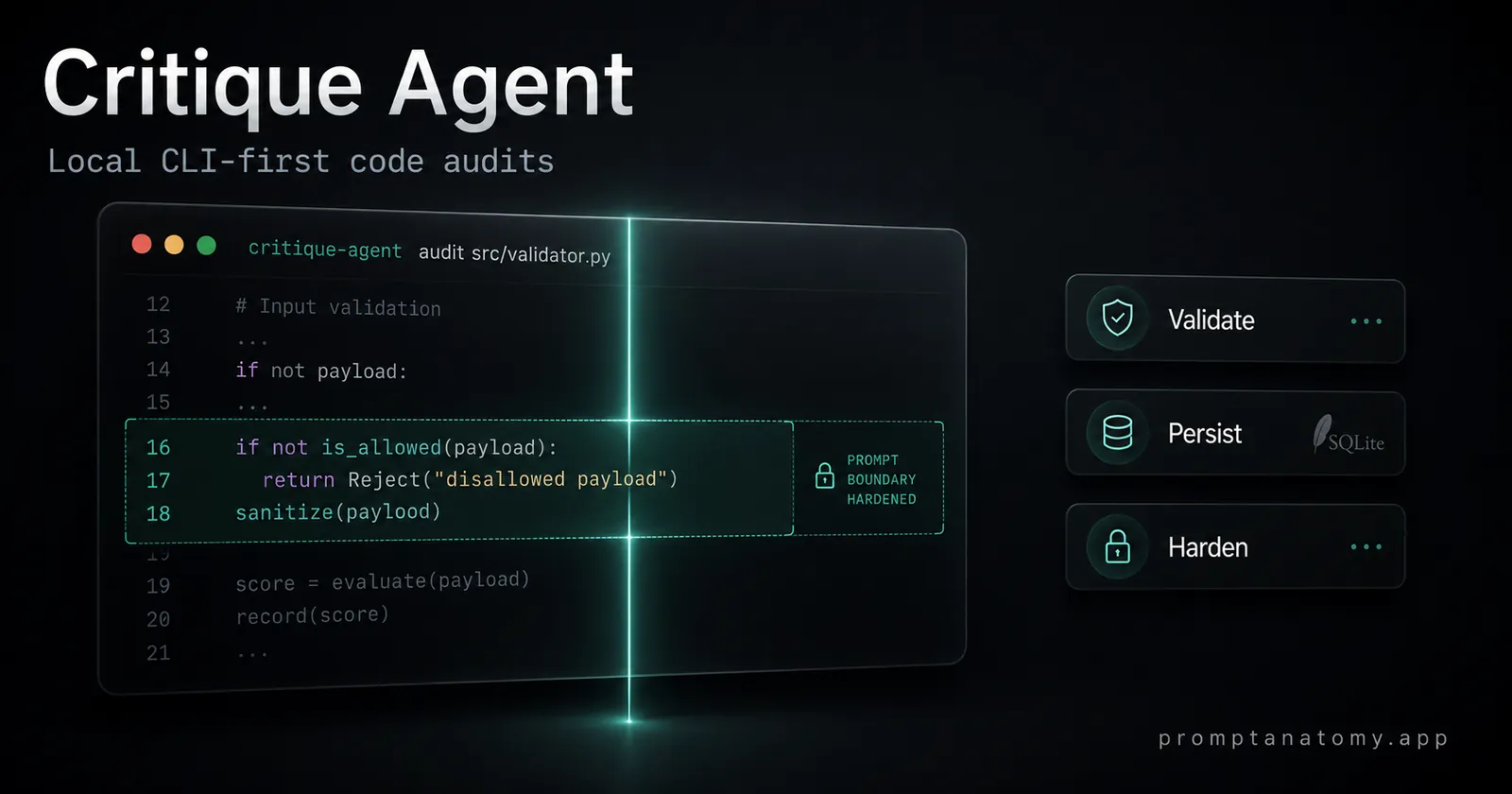
Field test of Critique Agent on the Corporate Ladder monorepo — six validated GO_WITH_NOTES runs, several false positives, one fragile RPC check on the run-submit path turned into two regression tests.
Soft launch v1.4.2 ships the M7-9 Data Analysis path on promptanatomy.app—click-and-do practice, gated checks, and handouts instead of slide-first training. Core buyers request the operator grant; checkout does not sell M7-9.
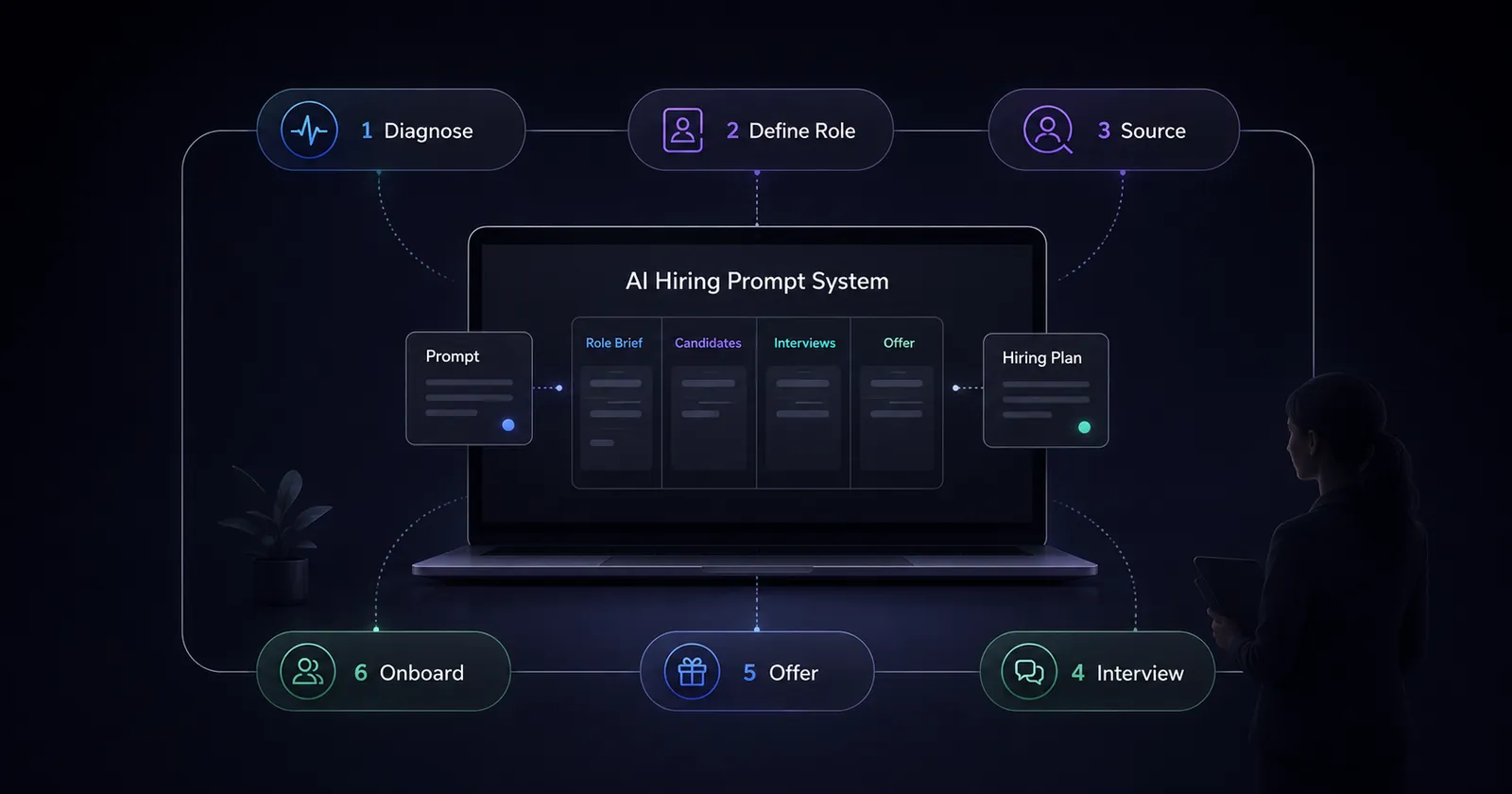
A recruiting prompt that reads well can still leak candidate PII or produce a verdict nobody owns. Ten structured US hiring prompts at promptanatomy.help keep role-level fields only and put guardrails before template depth.
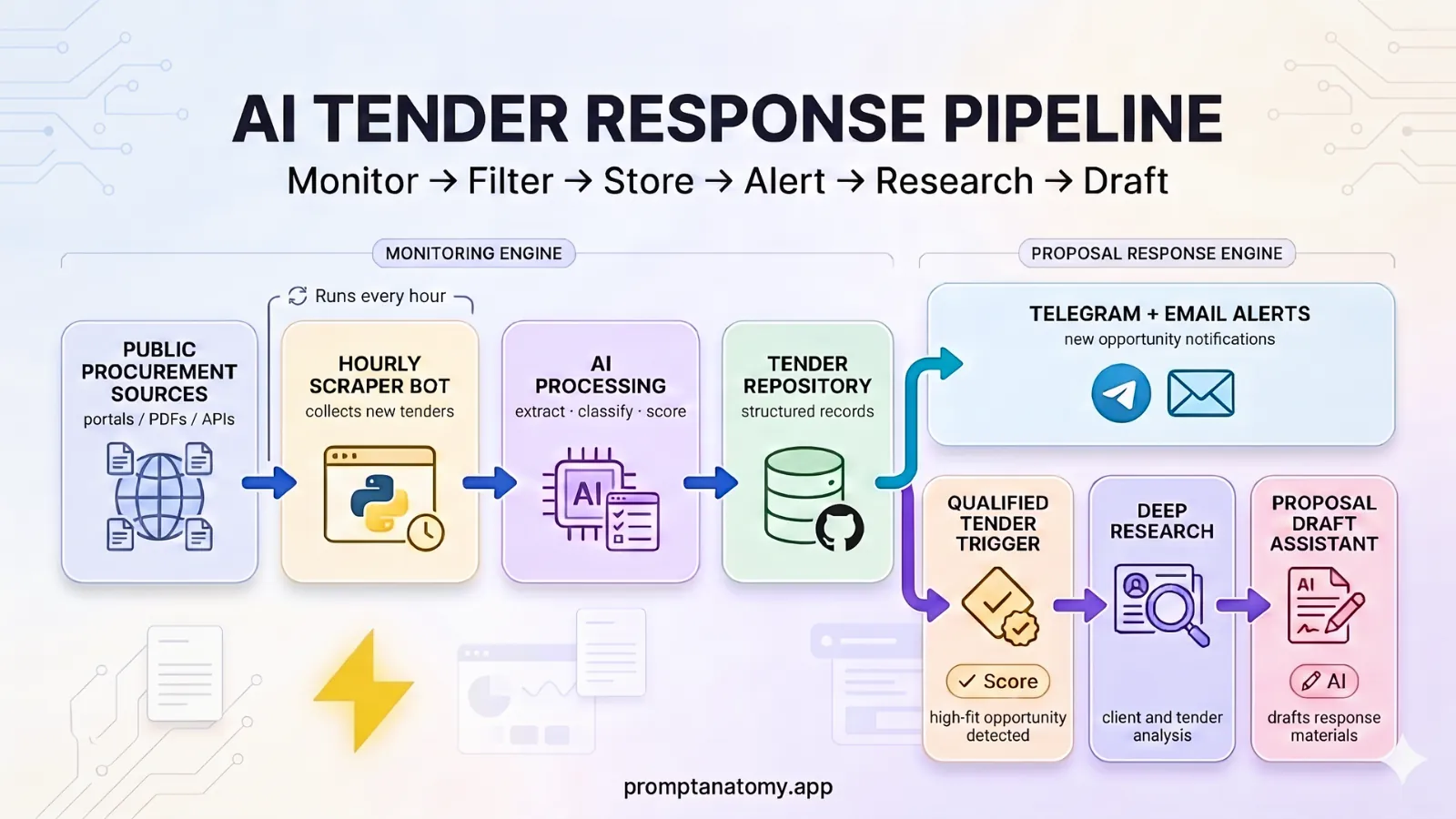
RFP/tender pipeline with legal gates, clause checklist, and redacted section example—no auto-submit in v1.
Registry, testing, and release ops for prompts—not general workflow design.
Agent design, orchestration, and business-ready automation.
Policy, risk, and operating rules for AI inside organizations.
Ship logs, diagnostics, and field notes from real deployments.
How teams moved from experiments to controlled AI systems.
Worksheets and checklists you paste into team rituals—not long playbooks.
Perspective on tools, hype, and what actually works.
Original frameworks for predictable AI outcomes.

One training system for learning, daily work, automation, marketing, HR, operations, and decisions—plus Corporate Ladder for play.
Plans and accessEnter — guided first steps on the cloud learning hub.
Learn — training, methodology, and practice.
Use — ready-made prompts and workflow templates.
Create — marketing content prompts and publishing workflows.
Hire — search, recruitment, and assessment prompts.
Manage — prompts and templates for leadership and ops.
Decide — scaling frameworks and decision support.
Play — satirical office climb in Telegram.