Context Engineering vs Context Architecture for Regulated Teams
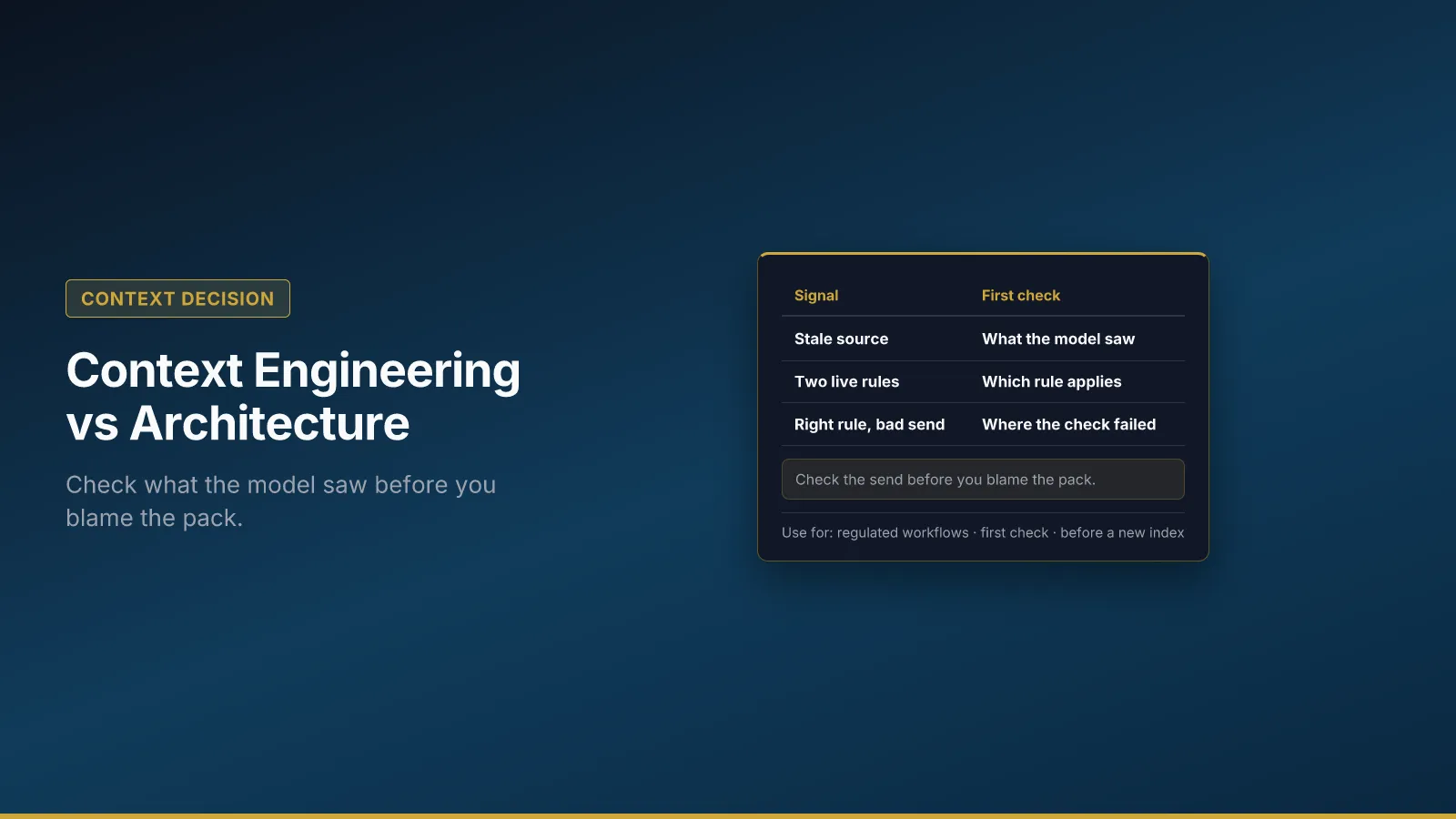
When a source looks wrong, check what the model actually saw. When rules clash or nobody owns them, name the spec before you retune the pack.
Original frameworks for predictable AI outcomes.
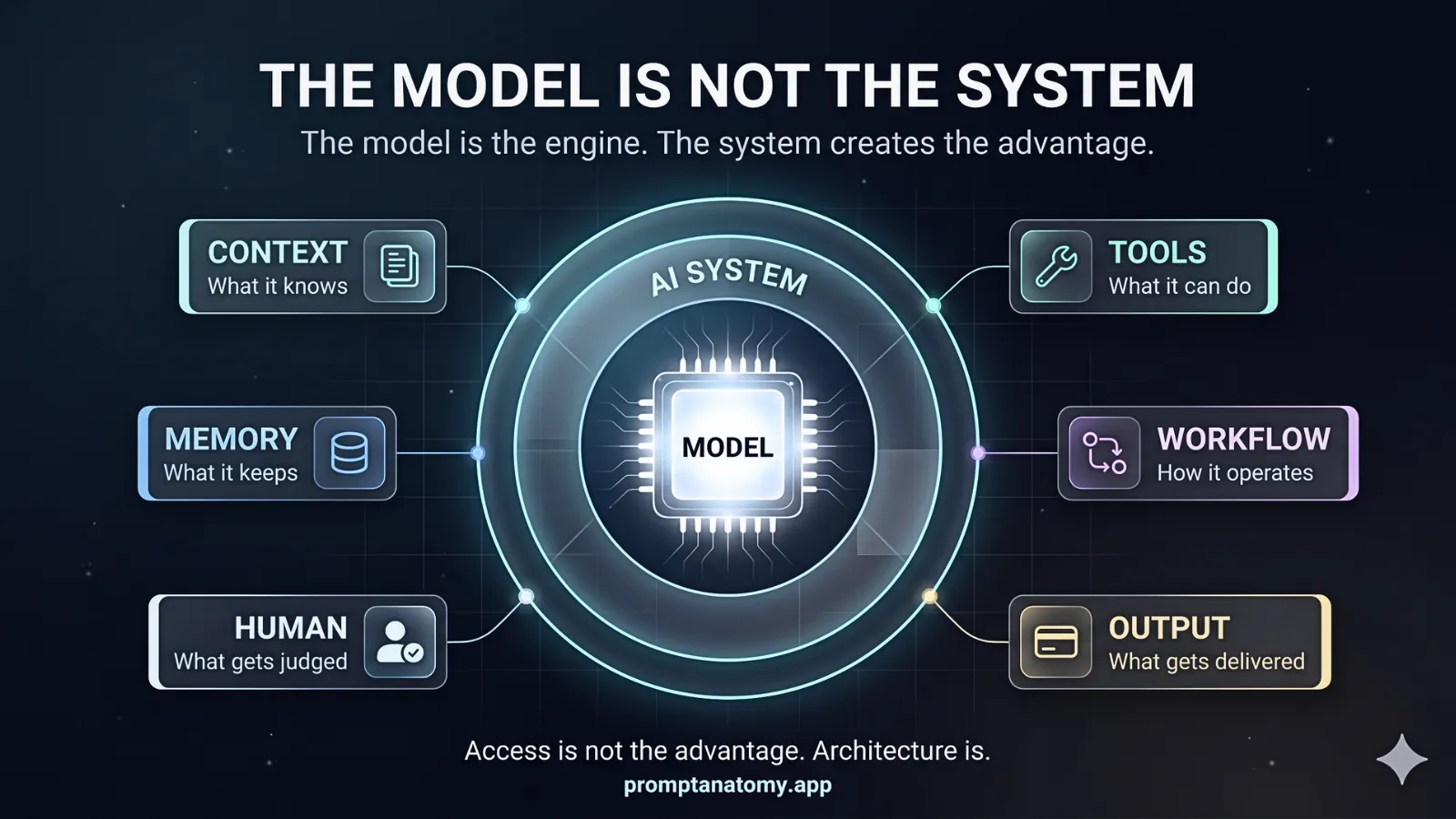
Teams fail when chat is the product. This framework maps the system around the model—workflow, context, evaluation,...
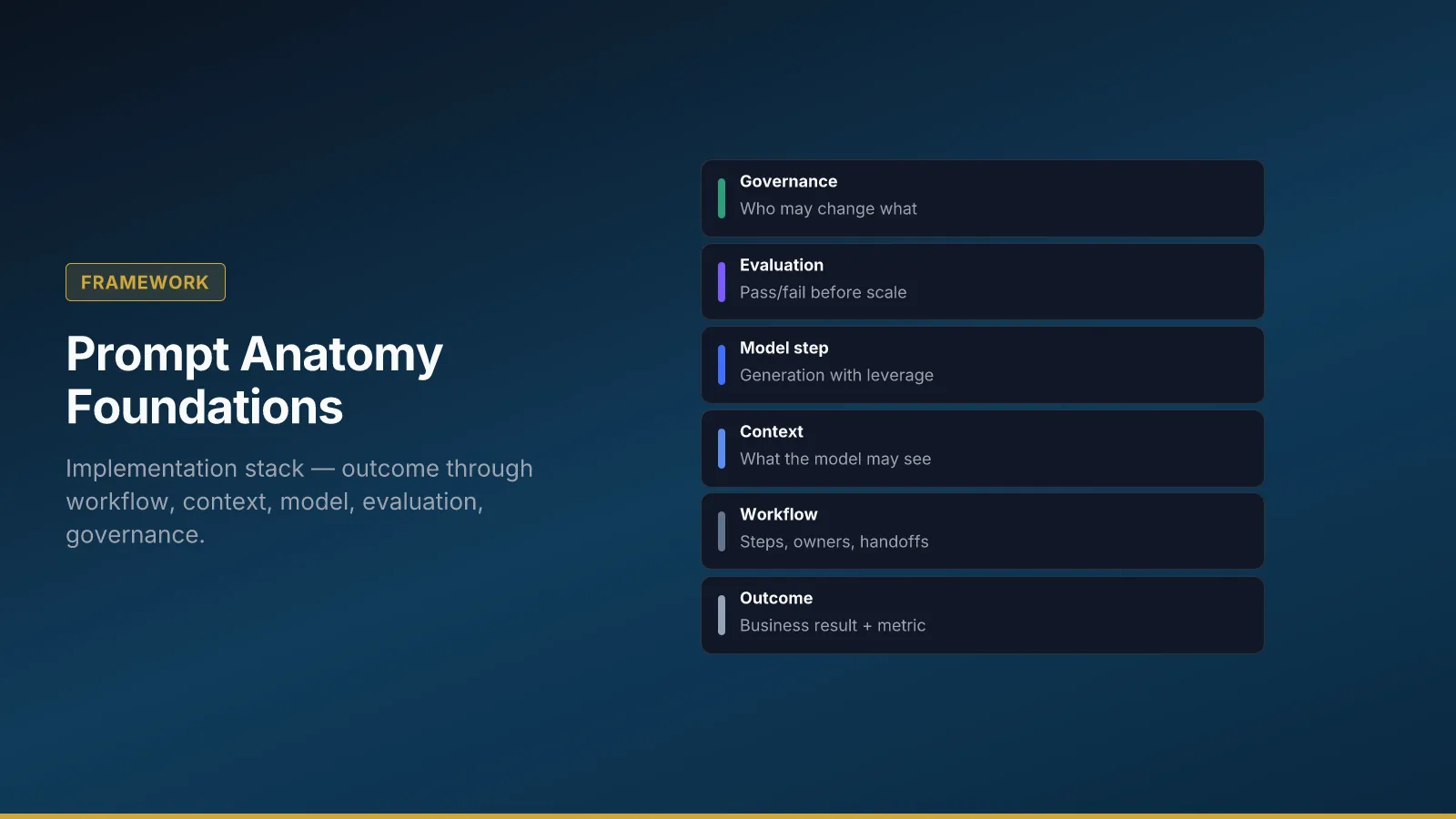
Prompt Anatomy foundations—the six-layer implementation stack from outcome to governance, with role-based paths into...
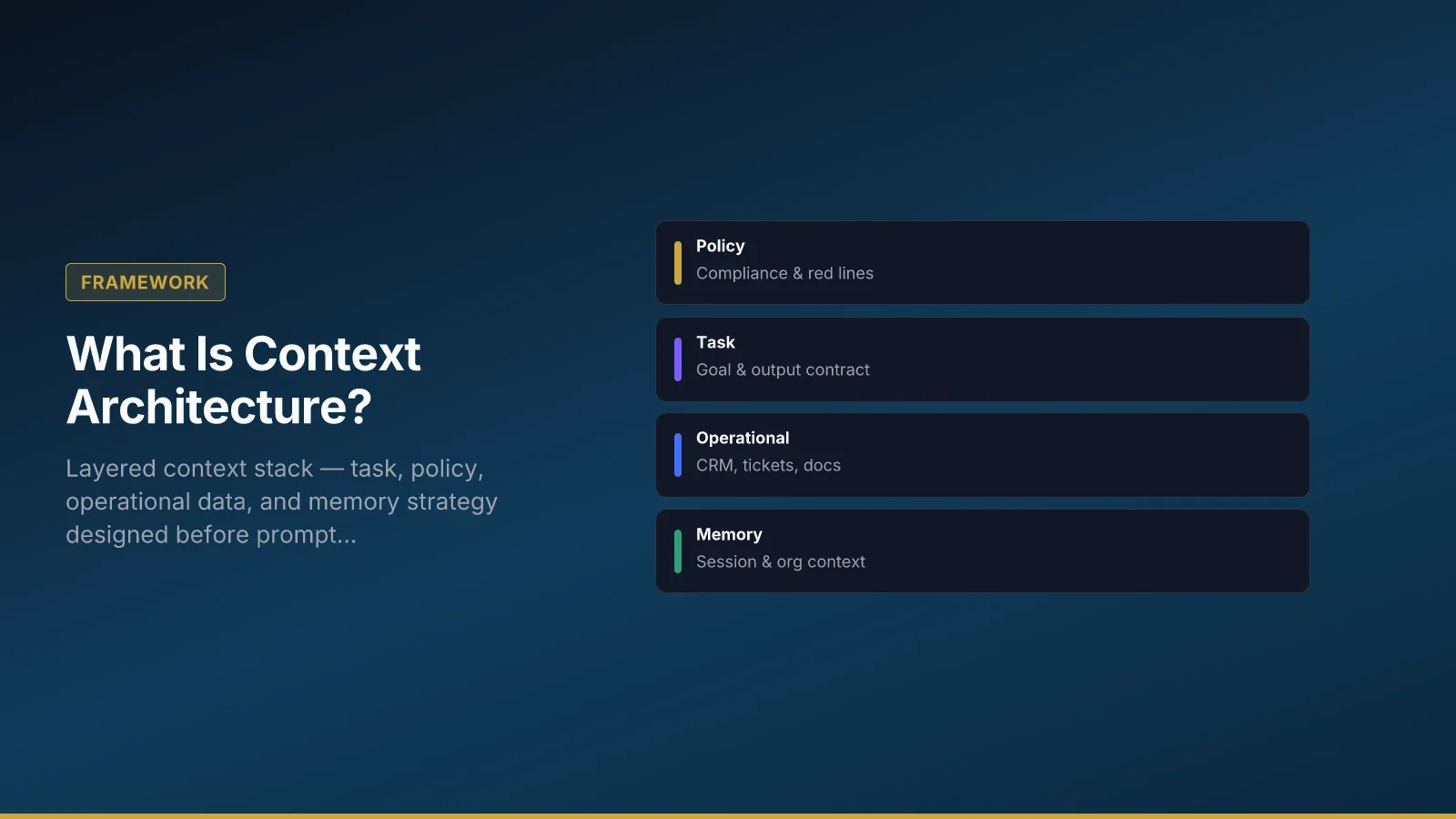
Context architecture is how teams decide what models see, when, and why—layers, a filled context spec, assembly...
When a source looks wrong, check what the model actually saw. When rules clash or nobody owns them, name the spec...
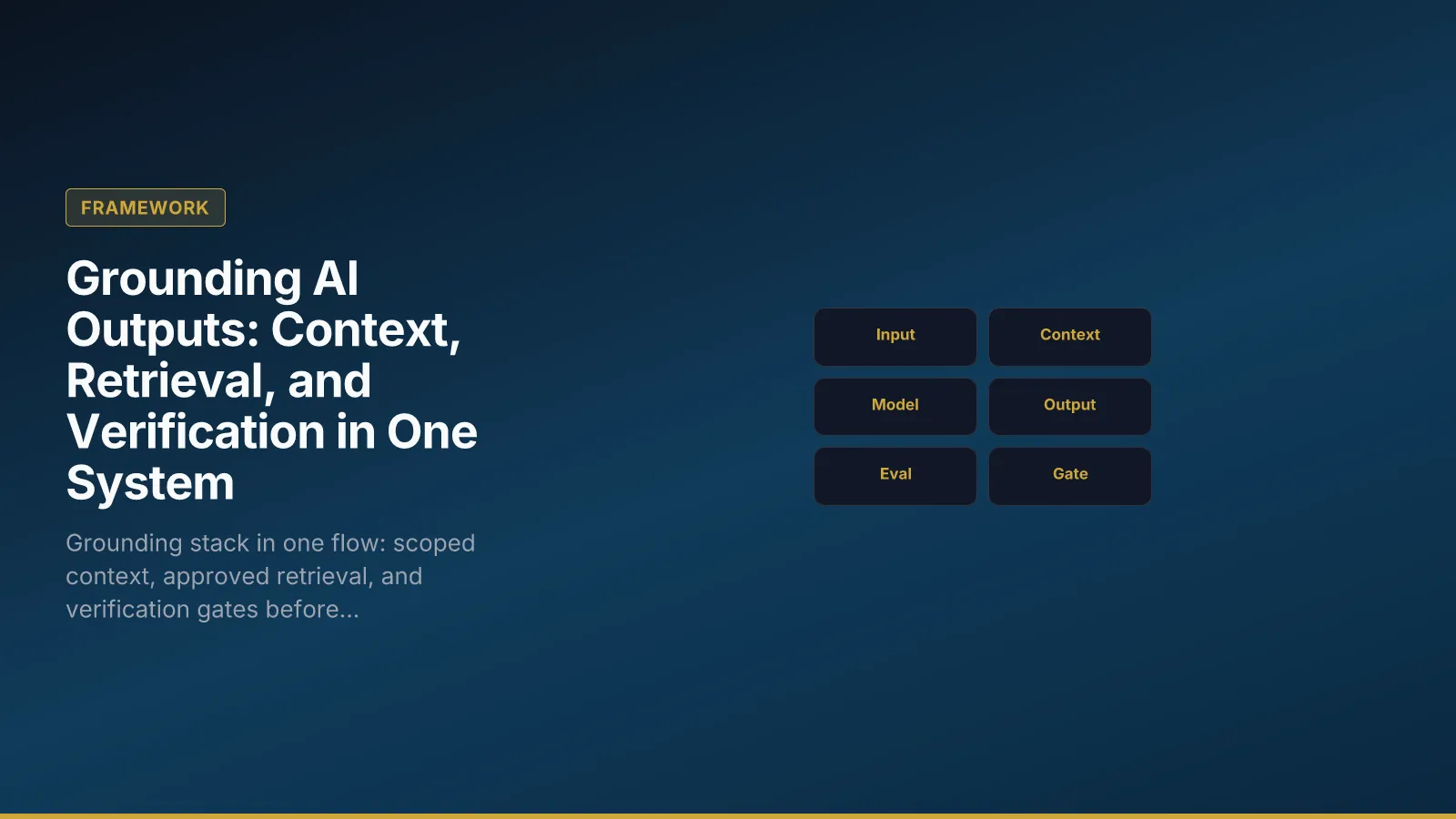
A practical framework for grounding AI outputs by combining context architecture, retrieval policy, and evaluation...
Why agent performance often drops with larger context windows, and how to prevent context rot with architecture and...
Implement RAG with governance — choose basic, smart, or agentic patterns and wire eval gates before production traffic.
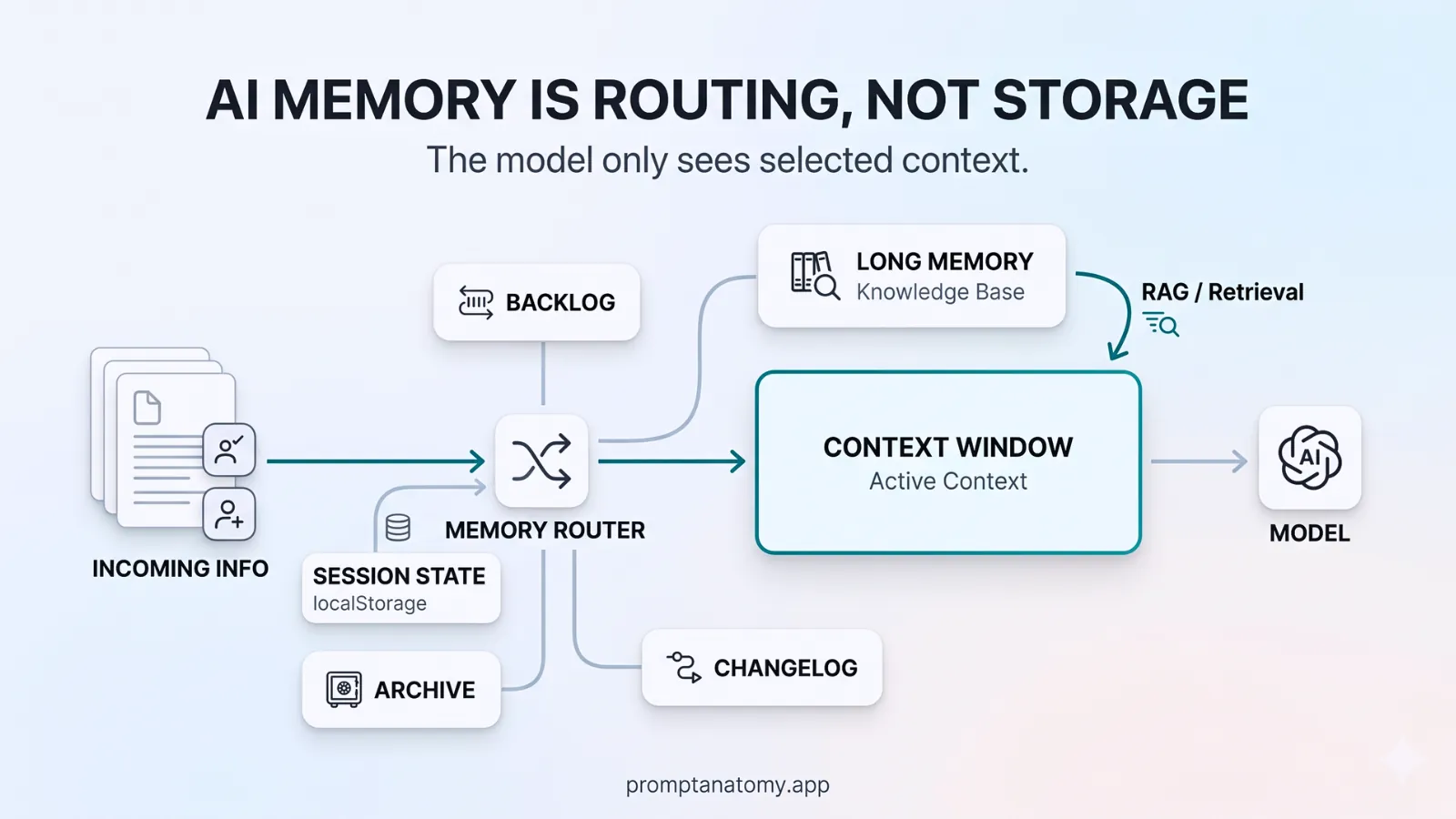
Session, episodic, and organizational memory for AI workflows—and when each belongs in your context architecture.
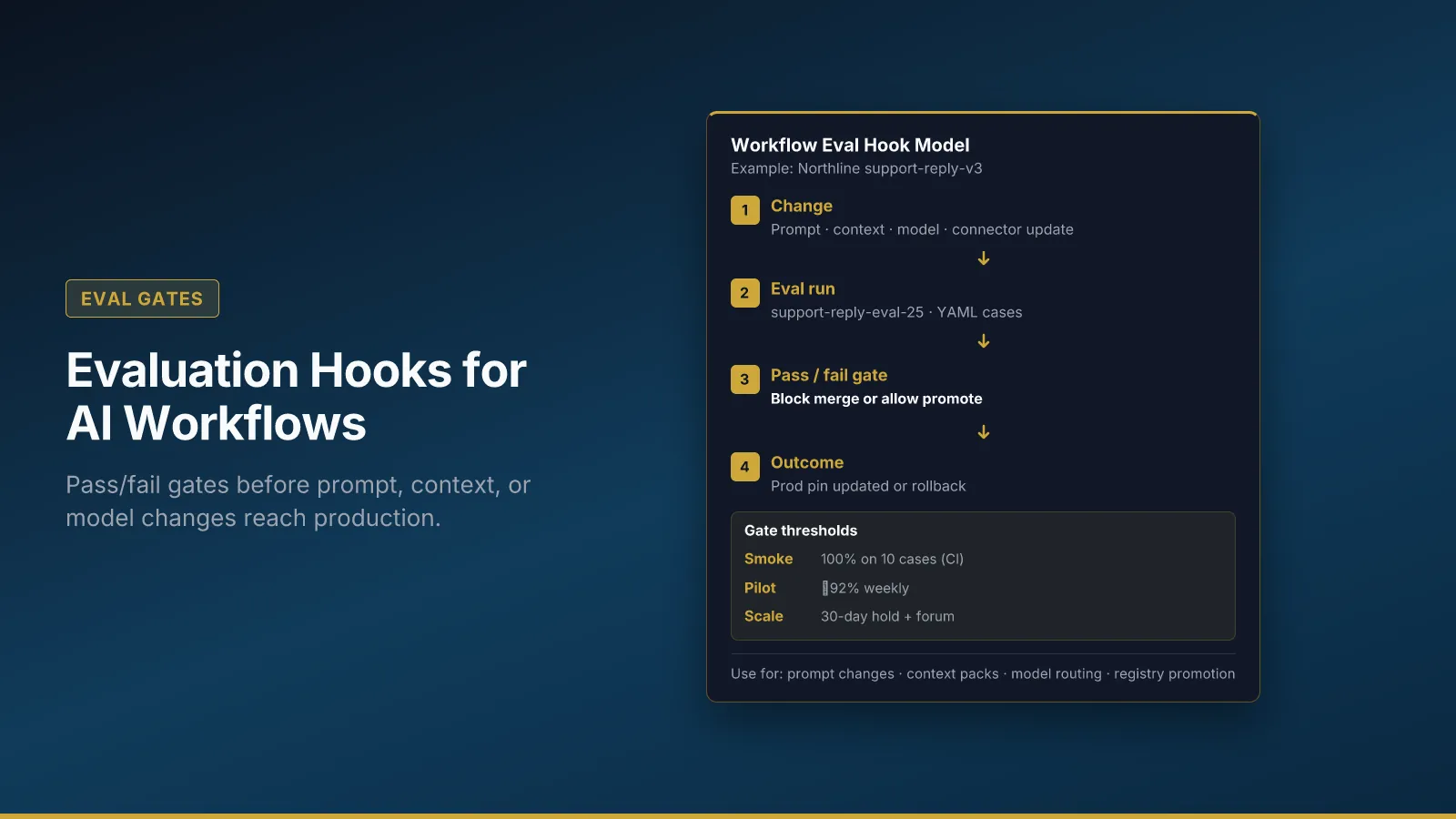
Sample eval cases and pass/fail gates—with YAML example for support-reply-v3.
A practical framework for evaluating production agents across cost, latency, efficacy, assurance, and reliability...
Five levels from ad hoc chat to governed operations—with self-check questions and 90-day moves per stage.
Shared definitions for core Prompt Anatomy terms, from MCP and RAG tiers to context rot, CLEAR, and prompt...
When a source looks wrong, check what the model actually saw. When rules clash or nobody owns them, name the spec before you retune the pack.
Shared definitions for core Prompt Anatomy terms, from MCP and RAG tiers to context rot, CLEAR, and prompt registry operations.
A practical framework for evaluating production agents across cost, latency, efficacy, assurance, and reliability with thresholds and weekly operating rituals.
Implement RAG with governance — choose basic, smart, or agentic patterns and wire eval gates before production traffic.
Why agent performance often drops with larger context windows, and how to prevent context rot with architecture and retrieval discipline.
A practical framework for grounding AI outputs by combining context architecture, retrieval policy, and evaluation checks in one production system.
Five levels from ad hoc chat to governed operations—with self-check questions and 90-day moves per stage.
Sample eval cases and pass/fail gates—with YAML example for support-reply-v3.
Session, episodic, and organizational memory for AI workflows—and when each belongs in your context architecture.
Context architecture is how teams decide what models see, when, and why—layers, a filled context spec, assembly order, and why bigger windows are not a strategy.
Prompt Anatomy foundations—the six-layer implementation stack from outcome to governance, with role-based paths into diagnostics, agents, eval, and procurement.
Teams fail when chat is the product. This framework maps the system around the model—workflow, context, evaluation, and governance.