Prompt Anatomy’s first game, Corporate Ladder, is a satirical office-climb mini app for Telegram—dodge meetings, climb the org chart, survive reorgs. It soft-launched on 2026-06-15 and is playable at promptanatomy.lol and through @CorporateLadder_bot; it is also listed on tApps Center. See Corporate Ladder Soft Launch for live surfaces, how to play, and what shipped. This article documents the six-layer stack behind the game so you can reuse the pattern without treating Telegram as a monolith.
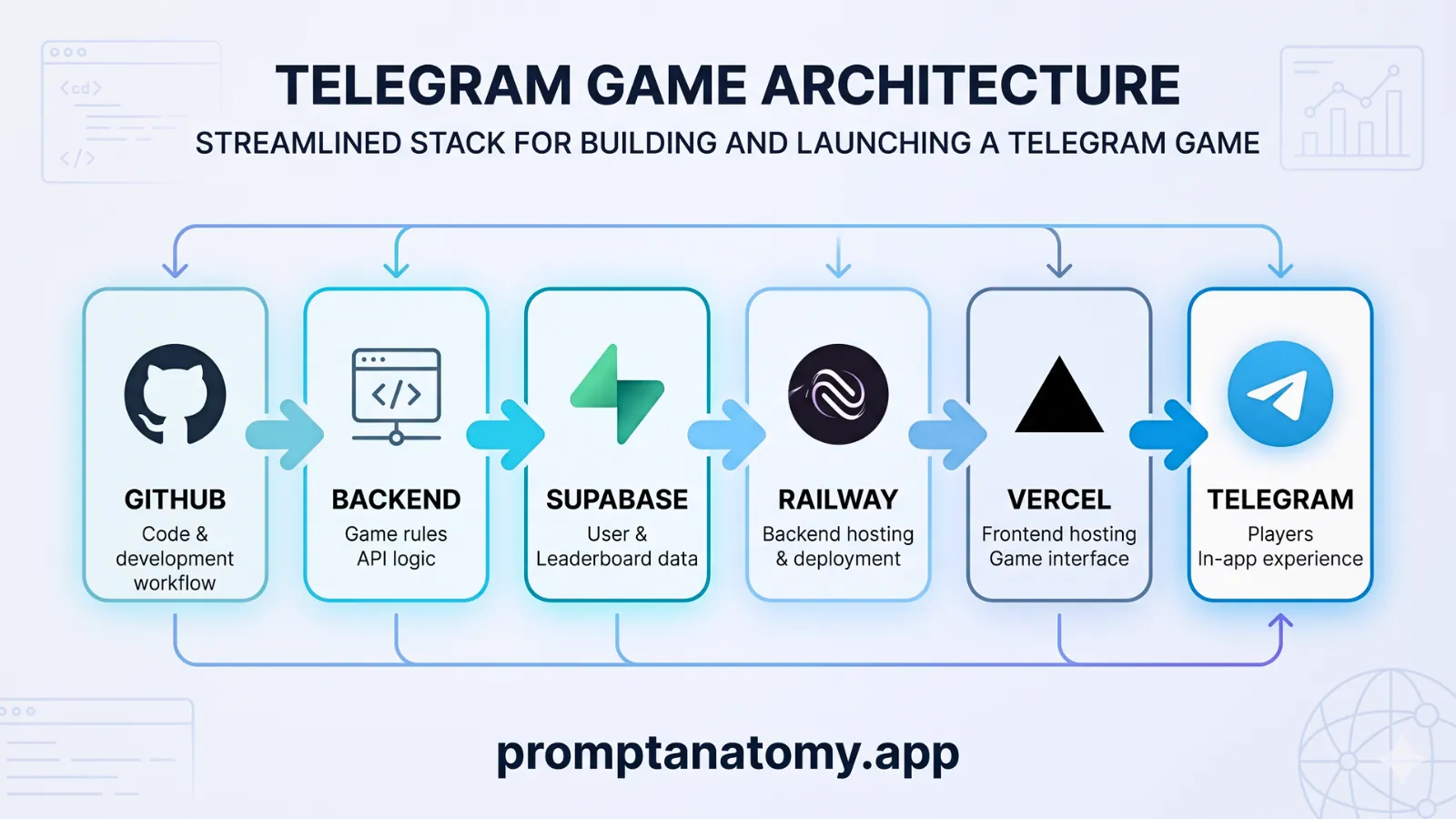
The hero diagram shows six boxes in order: GitHub → Backend → Supabase → Railway → Vercel → Telegram. That is not marketing wallpaper. Each box is a deployable boundary with a single job. Skip a boundary and you inherit the usual mini-app failures: scores that reset, logic trapped in one host, or a UI that cannot ship independently of your API.
Forty years ago, “shipping” meant feeding a cassette into a ZX Spectrum and listening to the loader scream until Jack could finally jump. The six layers here are that ritual abstracted: GitHub holds the image, Railway and Vercel are the loader, Telegram is the screen you hand to the player. Minutes of tape noise became seconds of HTTPS deploy.
Jumping Jack climbed through gap timing on wraparound floors; Lumberjack chopped on one axis in Telegram’s first HTML5 wave. Corporate Ladder is the same discipline—binary choice every beat, authoritative state somewhere else—not a new genre, a new host.
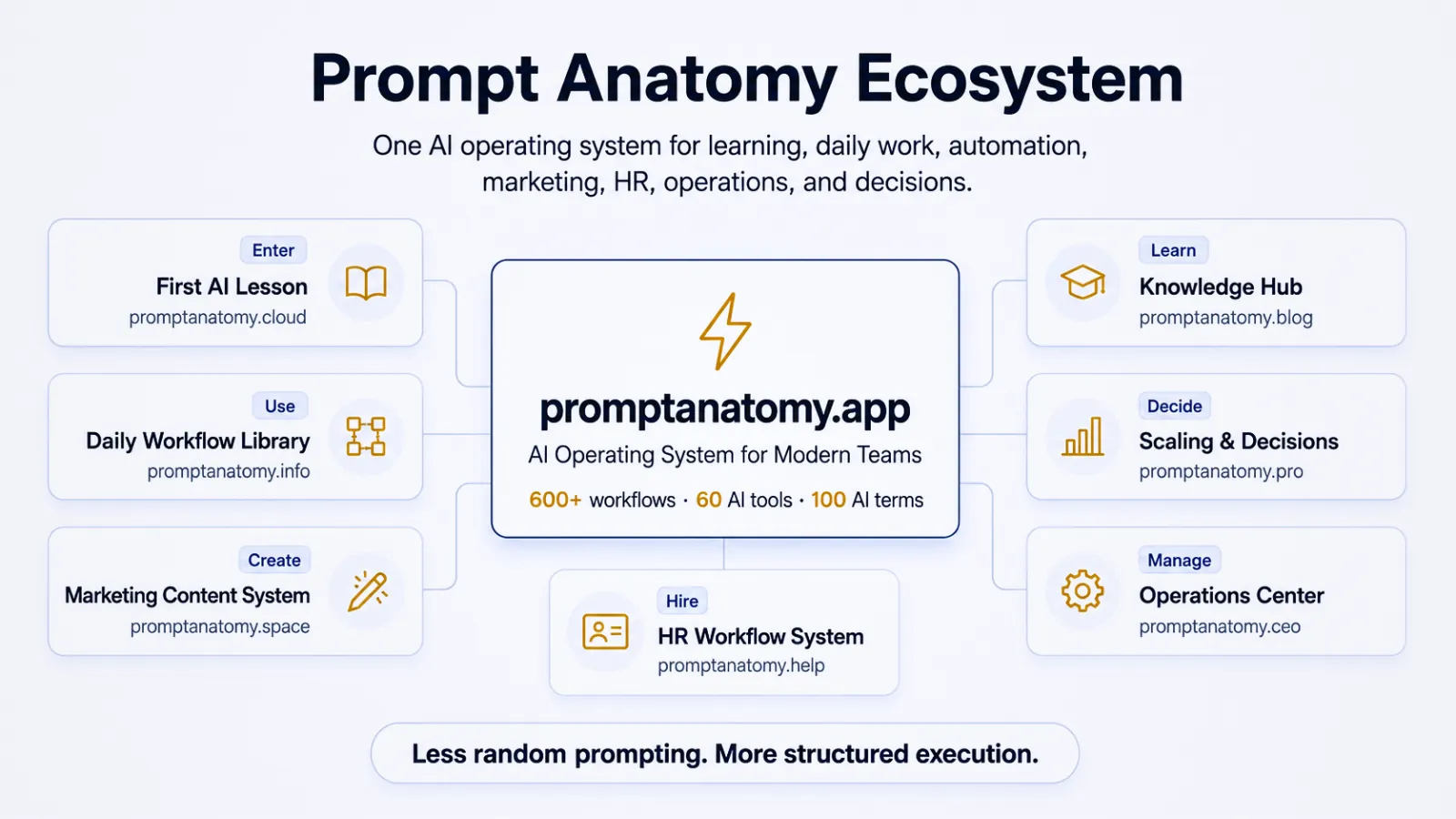
For where play fits in the wider Prompt Anatomy properties, see The Prompt Anatomy Ecosystem Map. Corporate Ladder is optional brand flavor, not an implementation path for governed AI workflows.
What Corporate Ladder is (and is not)
Corporate Ladder is a reaction game inside Telegram’s Web App shell. The player taps left or right to dodge “MEETING” obstacles, grab coffee power-ups, and climb rungs labeled with job titles—Intern toward Manager, measured in fictional “years” and a progress bar. Random events like REORG INCOMING add difficulty spikes without new UI chrome.
That design is deliberate for Telegram: one-thumb input, session length under two minutes, and progression you can read at a glance (title, years, energy). It does not teach prompt registry discipline or eval gates; it demonstrates that the same separation discipline we preach for AI workflows applies to a small consumer surface.
Do not confuse .lol engagement with implementation maturity on .blog. If your steering deck cites game MAUs instead of pass rate and incident cost, redirect to Measuring AI Workflow ROI.
The six-layer architecture
Read the pipeline left to right as ownership, not as “install order only.”
| Layer | Job | What breaks if you skip it |
|---|---|---|
| GitHub | Source of truth, PR review, CI | Undeployable hotfixes; no rollback story |
| Backend | Game rules, scoring, session API | Cheating, inconsistent state, fat clients |
| Supabase | Users, runs, leaderboard rows | Ephemeral scores; no cross-device identity |
| Railway | Host and scale the API | Local-only logic; no webhook endpoint |
| Vercel | Static game UI (HTML/JS/CSS) | Slow iteration on visuals; API mixed with assets |
| Telegram | Distribution, identity hint, Web App chrome | No audience; you rebuild auth and notifications |
The thin lines in the diagram—GitHub feeding every downstream box and Telegram looping back—encode continuous delivery: merge on main, CI runs tests, Railway and Vercel pick up artifacts, bot commands stay pointed at the current UI URL. The same boundary discipline applies when you pick workflow automation for AI pipelines—see Choosing Workflow Automation for AI Pipelines for platform selection by operating model, not demo flash.
1. GitHub — code and workflow
Treat the repo like any production service: feature branches, PR review, lint/test in CI, tagged releases when you change scoring rules players depend on. The game client and API can live in one monorepo or two; what matters is that both deploy from the same commit graph so you never debug “UI v3 against API v2.”
2. Backend — game rules and API
The backend owns authoritative state: run start/end, obstacle seeds, collision results, promotion thresholds, energy decay. The Telegram Web App is a thin client that sends intents (tap_left, tap_right) and renders frames.
Keep bot webhook handlers thin: validate initData from Telegram, issue a session token, redirect to the Vercel URL. Heavy logic in the bot process couples you to Telegram’s process model and makes load testing painful.
3. Supabase — users and leaderboard
Use Postgres (via Supabase) for identity linkage (telegram_user_id), run history, and leaderboard aggregates. Row-level security policies should default deny; expose only what the API role needs.
Leaderboards are the first feature players compare across devices. If scores live in browser localStorage, you do not have a game—you have a demo.
4. Railway — API hosting
Railway (or any container/PaaS with a stable HTTPS URL) runs the Node/Python/Go API, connects to Supabase with a service role secret, and exposes REST or WebSocket endpoints the Web App calls. Environment variables hold bot token, Supabase keys, and allowed Web App origins.
Health checks and horizontal scale matter once a channel post drives a spike. Cold starts hurt reaction games; keep the API warm or accept first-tap latency in your UX copy.
5. Vercel — game interface
The visible ladder, meeting tiles, HUD (“Intern”, “Manager in 8.0y”, energy bar), and tap targets ship as a static front end on Vercel. Build with whatever your team already uses (Vite, Next static export, etc.); Telegram only needs a trusted HTTPS origin.
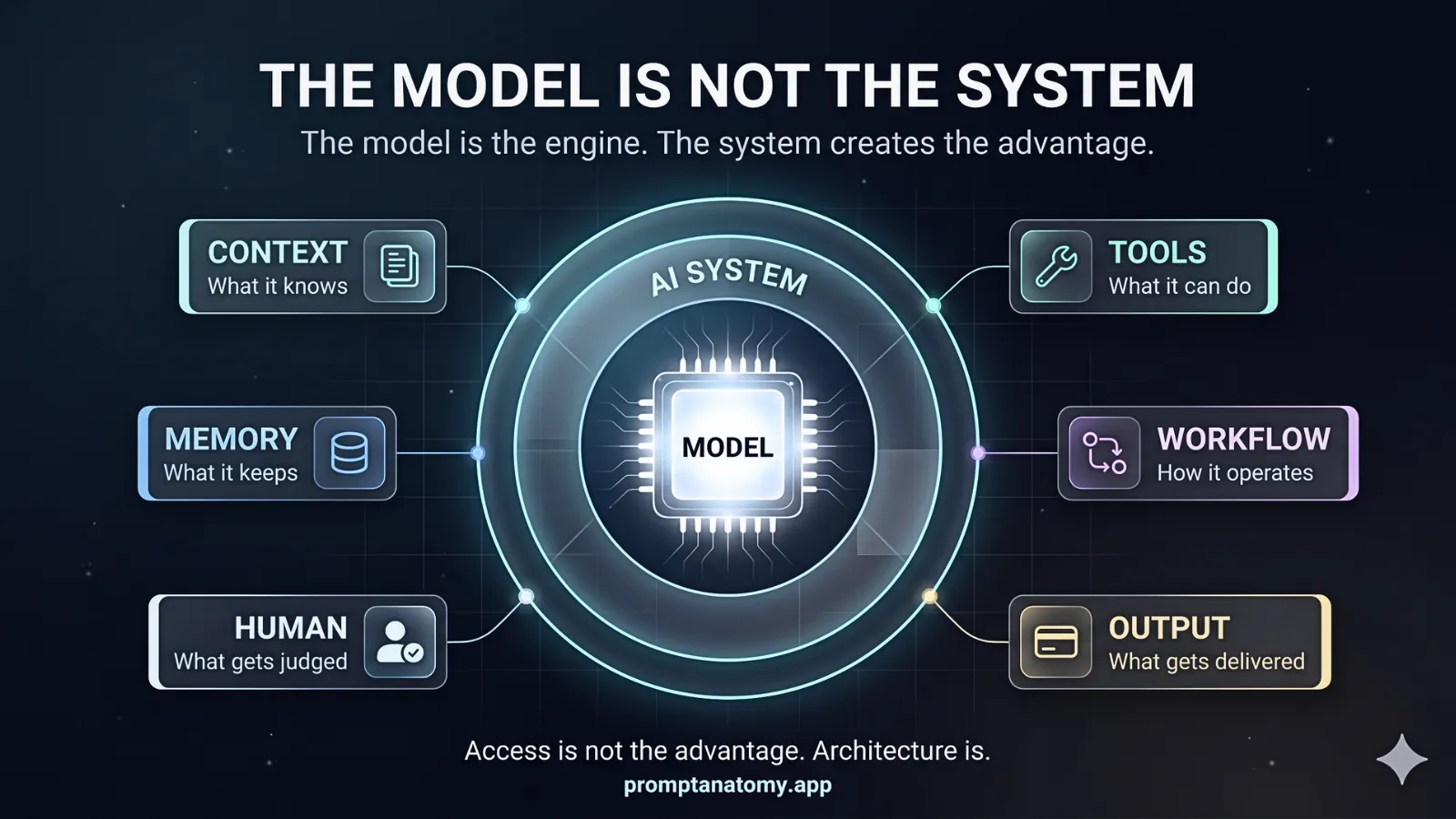
Separation here is the same lesson as The Model Is Not the System: the interface is not the engine. Designers can iterate on CSS and animation without redeploying scoring math.
6. Telegram — players and in-app experience
Register a bot (e.g. @CorporateLadder_bot), set the Web App menu button or /start inline keyboard to open your Vercel URL inside Telegram’s in-app browser. Telegram supplies lightweight identity via initData; your backend verifies the HMAC before trusting user.id.
Distribution is Telegram’s moat: channels, groups, and “Play free on Telegram” CTAs—like the live promo card—drive installs without an app store review cycle.
End-to-end request flow
A single tap illustrates why the split stack exists:
- Player opens the bot → Telegram loads the Vercel Web App with signed
initData. - Web App POSTs
initDatato Railway → API verifies signature, upserts user in Supabase, returns session JWT. - Game loop runs client-side for frame timing; on run end, client POSTs score payload to Railway.
- API validates score against server-side rules (timestamps, max plausible points), writes run row, refreshes leaderboard materialized view or cache.
- Optional: bot sends a channel message with deep link for rematch—still the same Vercel URL.
If step 4 is missing, expect fabricated high scores within a week.
Ship checklist
Use this before flipping your clone to public. For Corporate Ladder, core surfaces are live—see Corporate Ladder Soft Launch—and remaining items cover polish, security, and load hardening:
- [ ] BotFather — Web App URL points to production Vercel; test on iOS and Android Telegram clients.
- [ ] initData verification — reject tampered user ids; rotate bot token if leaked.
- [ ] CORS and origins — API allows only your Vercel domain; no wildcard with credentials.
- [ ] Supabase migrations — versioned in GitHub; RLS enabled on every player table.
- [ ] CI — tests for scoring edge cases; deploy Railway + Vercel from
mainonly. - [ ] Observability — structured logs on API; alert on 5xx rate during traffic spikes.
- [ ] Content policy — satire is on-brand; still avoid hate/harassment patterns in copy and UGC hooks.
When this pattern is enough—and when it is not
This stack is appropriate for casual mini apps with leaderboard depth and a small team. Upgrade when you need real-time PvP, economies with fraud risk, or heavy server simulation—in those cases, add a dedicated game server layer and anti-cheat analytics, and treat Telegram as one client among many. For a sibling field note on separate deploy surfaces and builder-side vs runtime boundaries on a multilingual library, see Who Orchestrates the Builders.
For structured AI workflows (the core of Prompt Anatomy), stay on .blog frameworks and .app practice drills. The game stack is a field note on boundaries, not a replacement for Prompt Anatomy Foundations.